

Previous Story
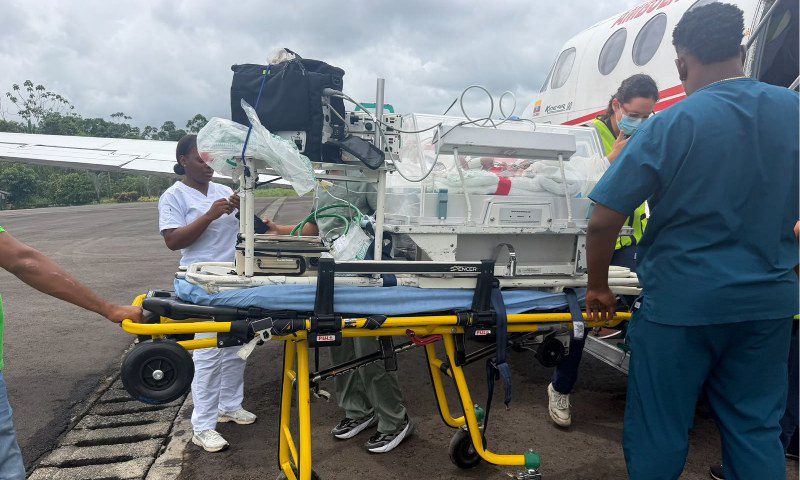
Alma Air, Ambulancias Aéreas de Colombia, and Terpel Launch Free Flights to Aid Colombia’s Earthquake Response
Posted On August 12, 2026
Comment: Off
Tag: aerocivil, aeronautica civil, air ambulance, Alma Air, Ambulancias Aéreas de Colombia, BRAC, Búsqueda y Rescate Aeronáutico de Colombia, Cessna Grand Caravan, chocó, Daniel Perea, disaster relief, earthquake Colombia, Enrique Olaya Herrera Airport, humanitarian flights, magnitude 7.4 earthquake, medellin, Ministerio de Salud y Protección Social, ministerio de transporte, Organizacion Terpel, private sector disaster response, quibdo, rupert stebbings, San José del Palmar, Sebastián Pérez, terpel, terremoto Colombia, ungrd
Three private companies — airline Alma Air, air-ambulance operator Ambulancias Aéreas de Colombia, and fuel distributor Terpel (BVC: TERPEL) — formed an alliance to make aircraft capacity available at no cost to move medicine, medical supplies, and health personnel into areas of western Colombia affected by Monday’s magnitude 7.4 earthquake.
The alliance’s first flight departed Enrique Olaya Herrera Airport in Medellín at approximately 8:00 a.m. on Wednesday, August 12, bound for Quibdó, the capital of Chocó department, one of the areas affected by the earthquake. The aircraft carried medicine and medical supplies donated by Búsqueda y Rescate Aeronáutico de Colombia (BRAC, Aeronautical Search and Rescue of Colombia), a volunteer search-and-rescue organization based in Medellín, to support the emergency response in Chocó.
The companies assigned a Cessna Grand Caravan, a single-engine turboprop capable of carrying cargo and passengers, to the operation. According to the companies, the aircraft remains available to Colombia’s Ministerio de Salud y Protección Social (Ministry of Health and Social Protection) and to other government entities, multilateral organizations, and foundations that need to move medicine, medical supplies, or health personnel to affected areas, as needs are identified.
The companies said the arrangement was not conceived as a single flight. They agreed to keep the capacity available for further humanitarian operations as determined by the authorities and organizations coordinating the emergency response.
“We may have only one aircraft, but if it can make a small contribution to rescue and emergency response efforts, it is an honor for us to help.” — Rupert Stebbings, CEO, Alma Air
Three companies, one response
The alliance combines three private-sector companies with different roles — an airline, an air-ambulance operator, and a fuel and energy distributor — each contributing a specific capability toward moving aid to affected areas more quickly.
Alma Air, a certified Colombian airline, said it offered its aircraft the same Monday the earthquake struck, while company representatives were in meetings with Aeronáutica Civil (Aerocivil, Colombia’s civil aviation authority) and the Ministerio de Transporte (Ministry of Transport).
“The same Monday morning the earthquake happened, Alma Air was in meetings with both Aerocivil and the Ministry of Transport, and the need to help was evident. We immediately offered our support to the Ministry. We may have only one aircraft, but if it can make a small contribution to rescue and emergency response efforts, it is an honor for us to help,” said Rupert Stebbings, CEO of Alma Air.
Ambulancias Aéreas de Colombia, which operates air-ambulance services, joined the alliance citing its experience operating in territories that are difficult to reach by other means.
“As a leading company in the air-ambulance sector in Colombia, we have a social commitment to the country, and our purpose is to save lives in a timely manner where others cannot. This has motivated us to organize humanitarian alliances aimed at helping the communities most affected, drawing on our experience in the health and aviation sectors. The most difficult moments are when Colombia most needs to stay united,” said Sebastián Pérez, co-CEO of Grupo Ambulancias Aéreas de Colombia.
Terpel joined the alliance under what it describes as its “Aliado País” (“Country Ally”) initiative, which the company has used previously to support relief efforts in Colombia during emergencies.
“At Terpel, we believe that difficult moments are when we should be closest to communities. As a country ally, we connect with the most pressing needs of those facing complex situations, and we act with solidarity and commitment. That is why we are making all of our capabilities, resources, and efforts available to provide support where it is needed most, convinced that when we join forces we can help thousands of people move forward,” said Daniel Perea, Terpel’s vice president of corporate affairs.
BRAC: support for the first flight to Quibdó
Búsqueda y Rescate Aeronáutico de Colombia (BRAC) also supported the first humanitarian flight from Enrique Olaya Herrera Airport, donating the medicine and supplies that were loaded onto the aircraft ahead of its departure Wednesday.
The earthquake struck a region where geography has long limited timely access to complex health services. Chocó is among the Colombian departments with the least availability of specialized medical personnel. Dense jungle, rivers that serve as a primary means of transportation, and the absence of a permanent road network leave numerous communities hours away from specialized services under normal conditions. During a large-scale emergency, when demand for medicine, equipment, specialized personnel, and transport capacity rises simultaneously, that distance becomes a larger factor in patient outcomes.
A national mobilization after a magnitude 7.4 earthquake
The earthquake struck western Colombia at 7:34 a.m. on Monday, August 10, with a moment magnitude of 7.4 and an epicenter near San José del Palmar, Chocó, according to Colombia’s Servicio Geológico Colombiano (Colombian Geological Survey), as Finance Colombia reported at the time. As of 7:30 a.m. on August 12, the Unidad Nacional para la Gestión del Riesgo de Desastres (UNGRD, National Disaster Risk Management Unit) reported 239 deaths, 3,755 injuries, and 287 people missing. The agency said the emergency has affected 403 municipalities across 14 departments, with roughly 49,200 people affected across about 24,300 families, and reported 9,215 homes destroyed, 45,457 damaged, and 140 buildings collapsed, according to figures reported by El Colombiano. Authorities continue to update the toll as search, rescue, and recovery operations continue.
In this context, the capacity to move medicine, supplies, equipment, and personnel quickly to affected territories is a significant component of the broader response. The alliance among Alma Air, Ambulancias Aéreas de Colombia, and Terpel adds private air-transport capacity to that response, as other companies and organizations continue directing resources toward the areas affected by the earthquake.
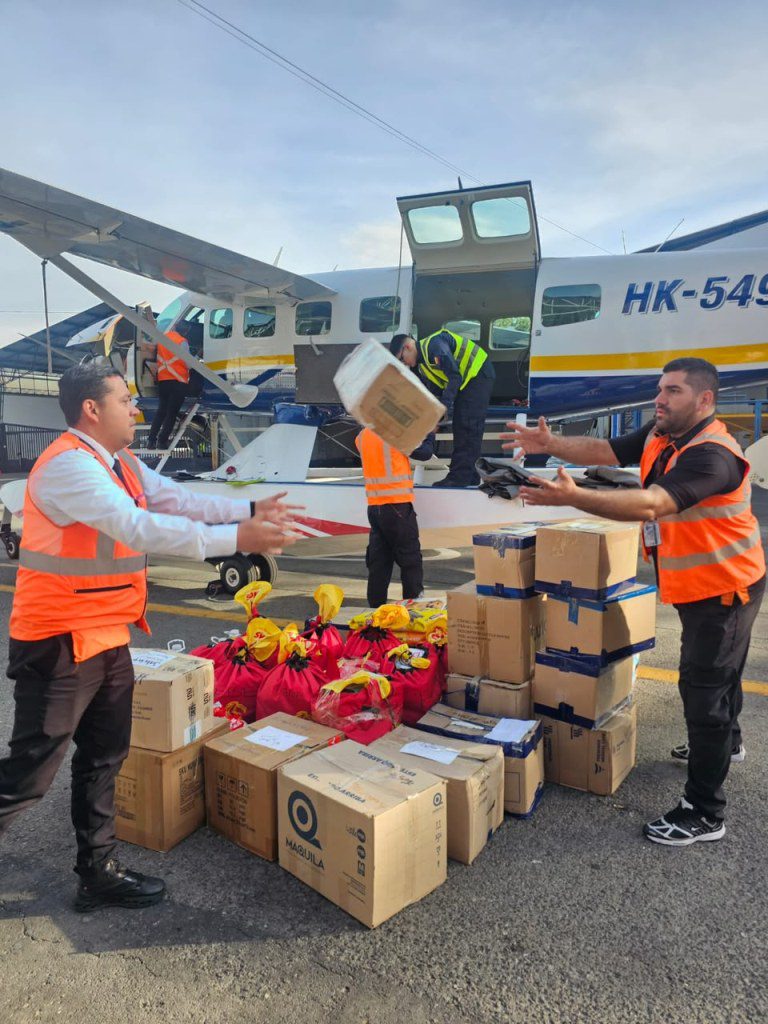
No fee attached — three companies moved medicine into Chocó just over 48 hours after the quake.