Previous Story
De la Espriella Reactivates Five Extraditions to the United States Suspended During Peace Talks
Posted On September 3, 2026
Comment: Off
Tag: abelardo de la espriella, Carmen Evelio Castillo Carrillo, Colombian Extradition, Colombian Presidency, comuneros del sur, El Mocho Olmedo, ELN Colombia, extradition, FARC Dissidents, Freddy Castillo Carrillo, Front 33 of the FARC dissident groups, Gabriel Yepes Mejía, Geovanni Andrés Rojas, Gustavo Petro, Office of the High Commissioner for Peace, Palacio de San Carlos, paz total, total peace, Willington Henao Gutiérrez
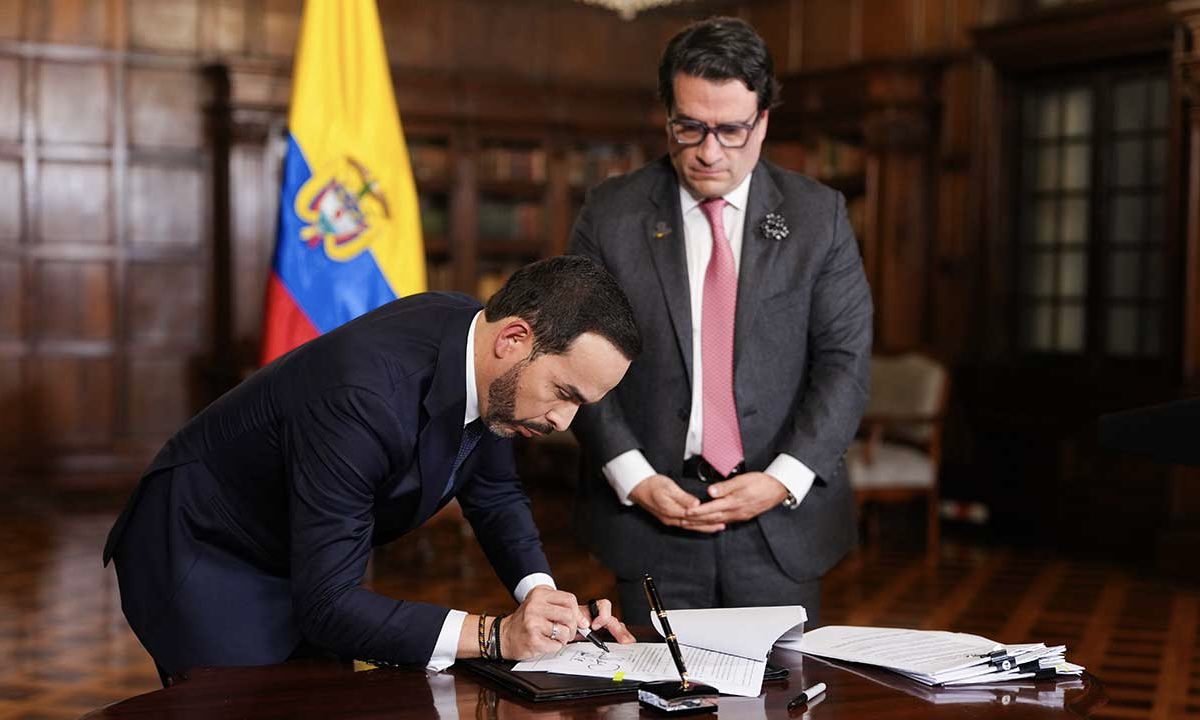
Colombian President Abelardo de la Espriella on Wednesday, August 26, 2026, ordered the extradition to the United States of five Colombians linked to armed and criminal organizations.
The decision, announced from San Carlos Palace, the new seat of the Colombian presidency, underscores the new administration’s shift away from former President Gustavo Petro’s “Total Peace” policy and signals closer cooperation with the United States on extradition, drug trafficking and transnational crime.
De la Espriella said the five were individuals “whose extraditions had already been approved by the national government in 2025, but whose surrender remained suspended because of their participation as representatives in different processes, negotiations or dialogue initiatives conducted by the previous government.”
“From day one, I was clear: Peace cannot be a refuge for criminals or a mechanism for impunity,” he later wrote on X. “In 16 days in office, I have signed more than 30 extraditions, and I will continue to do so with absolute determination.”
Three in custody, two at large
The decision includes Willington Henao Gutiérrez, alias “El Mocho Olmedo,” considered the second-in-command of Front 33 of the FARC dissident groups; Carmen Evelio Castillo Carrillo, alias “Muñeca,” identified as a leader of Los Pachencas, also known as the Autodefensas Conquistadoras de la Sierra Nevada; and Geovanni Andrés Rojas, alias “Araña,” who served as a negotiating representative for Comandos de la Frontera, another FARC dissident group.
All three are in Colombian custody.
The order also covers Gabriel Yepes Mejía, alias “H.H.,” considered the leader of Comuneros del Sur, an ELN dissident group, and Freddy Castillo Carrillo, alias “Pinocho,” identified as the top leader of Los Pachencas and the brother of “Muñeca.” Both remain at large.
“Those two criminals are not in the hands of justice, but we are going to find them,” De la Espriella said.
According to the president, US authorities are seeking the five Colombians on charges that, depending on the individual case, are related to drug trafficking, criminal conspiracy, money laundering, weapons offenses and narcoterrorism.
De la Espriella said his administration reviewed the cases with the Office of the High Commissioner for Peace, which he also said would be renamed, and concluded there were insufficient grounds to keep the extraditions suspended.
“After reviewing each case with the Office of the High Commissioner for Peace, we found no verified contributions or concrete results by these individuals toward achieving peace. Quite the opposite: They have continued committing crimes, mocking the justice system and Colombian society,” he said.
A break with the ‘Total Peace’ policy
The announcement also marks a break with the Petro administration’s strategy of negotiating with armed and criminal organizations.
“The so-called Total Peace failed in its fundamental purpose because it opened spaces and granted benefits to members of criminal organizations without, in cases such as those before us today, demonstrating verified contributions or concrete results toward achieving peace,” De la Espriella said.
The president said his administration would replace what he called a policy of “false peace” with an approach centered on security, the rule of law and state authority, under which dialogue processes cannot be used to evade justice.
“Anyone who wants to transition to legality will have to demonstrate it through concrete and verifiable actions, and under this government there is no other way to do so than by submitting to justice,” he added.
De la Espriella warned that those who remain involved in drug trafficking, terrorism and organized crime would face “the full legitimate force of the state.” Those seeking to abandon violence, he added, must do so within the framework of the Constitution and the law and by submitting to justice.
“To the criminals, I say directly, clearly and unequivocally that there will be no hiding place, privilege, negotiating table or legal device that puts them above the law and allows them to evade the determined action of justice,” he said.
A signal of cooperation with the United States
The extraditions also send a message to the United States and other international partners as Colombia’s new administration seeks to strengthen cooperation against drug trafficking and transnational crime.
De la Espriella has said security and the rule of law will be priorities for his administration and that Colombia will maintain international cooperation on extradition and efforts to combat criminal organizations.
The move comes just 16 days into his administration and follows more than 30 extradition orders that De la Espriella says he has signed since taking office.
The announcement further highlights a key difference between the security policies of De la Espriella and Petro: While the previous administration used the suspension of some extraditions as a tool in negotiations with armed and criminal groups, the new government says such benefits should remain in place only when there is concrete and verifiable progress toward peace.