Previous Story
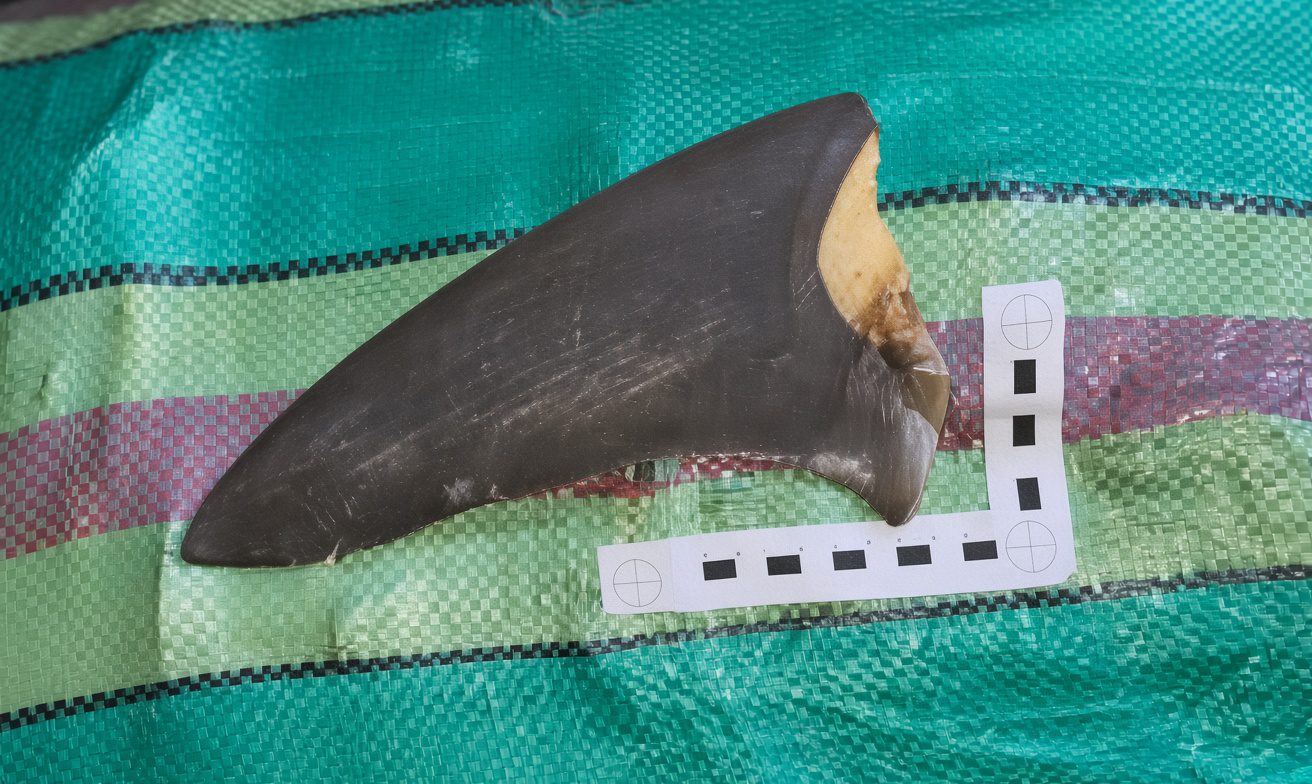
Colombia Seizes 4,235 Shark Fins in Record Wildlife Trafficking Case
Posted On October 28, 2026
Comment: 0
Authorities say the shipment seized in Tumaco was destined for Ecuador and Hong Kong, with an estimated value of $190,000
Colombian authorities have seized 4,235 shark fins weighing more than 376 kilograms in Tumaco, Nariño, in what officials described as the country’s largest seizure of shark fins. Investigators believe the shipment was intended for illegal sale abroad, with Ecuador identified as the initial destination and Hong Kong as the suspected final market.
The fins were discovered in 13 sacks inside a commercial establishment selling fish and seafood in Tumaco, a Pacific port city near Colombia’s border with Ecuador. The Fiscalía General de la Nación said the material could have come from more than 1,000 sharks and estimated its value at approximately $614 million Colombian pesos, equivalent to about $190,000.
William Leonardo de la Cruz Valverde was arrested during the operation. Prosecutors charged him with illegal exploitation of renewable natural resources and wildlife trafficking. A judge ordered pretrial detention after he denied the charges, according to details reported from the judicial proceedings.
Video: Fiscalía Colombia footage of the shark-fin seizure
Tiburones martillo, tigre, sedosos, zorro, cobrizos y puntas negras estarían entre las especies a las que corresponderían las 4.235 aletas cercenadas halladas en un establecimiento de comercio en Tumaco (Nariño), en la incautación más grande de este material realizada en Colombia. Las evidencias indican que las aletas provendrían de más de 1.000 tiburones y serían llevadas a Ecuador para su comercialización.
Información completa aquí: https://t.co/Yj5M5XgpGX
— Fiscalía Colombia (@FiscaliaCol) October 22, 2026
Six shark species identified in the seizure
The seized fins were attributed to six species: hammerhead, tiger, silky, thresher, copper and blacktip sharks. Several are threatened, making the case significant for marine conservation as well as criminal enforcement.
According to information presented by prosecutors, the haul included 2,328 silky shark fins, 738 thresher shark fins, 577 hammerhead shark fins, 534 tiger shark fins, 58 blacktip shark fins and three copper shark fins.
The scale of the seizure highlights the potential impact of finning, a practice in which a shark’s fins are removed and the remaining body may be discarded at sea. The loss of more than 1,000 animals would represent a substantial removal of marine predators from the ecosystem, although the precise ecological impact depends on the species, populations and locations involved.
Sharks are particularly vulnerable to overfishing because many species grow slowly and reproduce relatively late. The removal of large numbers of individuals can therefore affect populations over extended periods.
Ecuador and Hong Kong suspected as links in the trade route
Police said the fins were intended to travel through Ecuador before reaching Hong Kong, a major market for shark-fin products. The shipment was intercepted before it could complete that route.
Shark fins are traded internationally for use in dishes including shark-fin soup. Demand for the product has helped sustain commercial fishing and illegal supply chains involving species subject to conservation controls.
A shipment originating in Colombia may pass through another country before reaching its intended buyers and this requires enforcement agencies to coordinate across jurisdictions to trace its origin and prevent further trade.
The authorities have not publicly established the full network behind this particular shipment or identified its intended buyers. Those details remain matters for the investigation.
Colombia’s laws prohibit shark finning and restrict trade
Colombia has adopted specific measures to protect sharks, marine rays and chimaeras. The Environment Ministry’s national conservation framework sets out restrictions on directed fishing, finning and international trade in products derived from these species.
The country’s criminal code also provides penalties for wildlife trafficking. Under Article 328A, established by Law 2111 of 2021, trafficking, acquiring, exporting or commercialising protected wildlife or its parts without the required authorisation can carry a prison sentence of 60 to 135 months and substantial fines. The law provides for an increase in penalties when the offence involves exporting or commercialising shark, ray or chimaera fins.
International trade is also subject to the Convention on International Trade in Endangered Species of Wild Fauna and Flora, or CITES, which regulates cross-border commerce in listed species through a permit system. Its shark and ray programme outlines the international framework for controlling trade and improving traceability.
The case now moves through Colombia’s judicial process. Prosecutors will need to establish the origin of the fins, the circumstances in which they were acquired and stored, and whether the accused intended to traffic them in violation of the country’s wildlife laws. The seizure has disrupted a shipment authorities say was destined for overseas markets, but identifying the wider supply chain will be important to determining whether the operation can lead to further enforcement action.
Headline photo: A shark fin seized by Colombian authorities. Photo: Fiscalía Colombia via X.