Previous Story
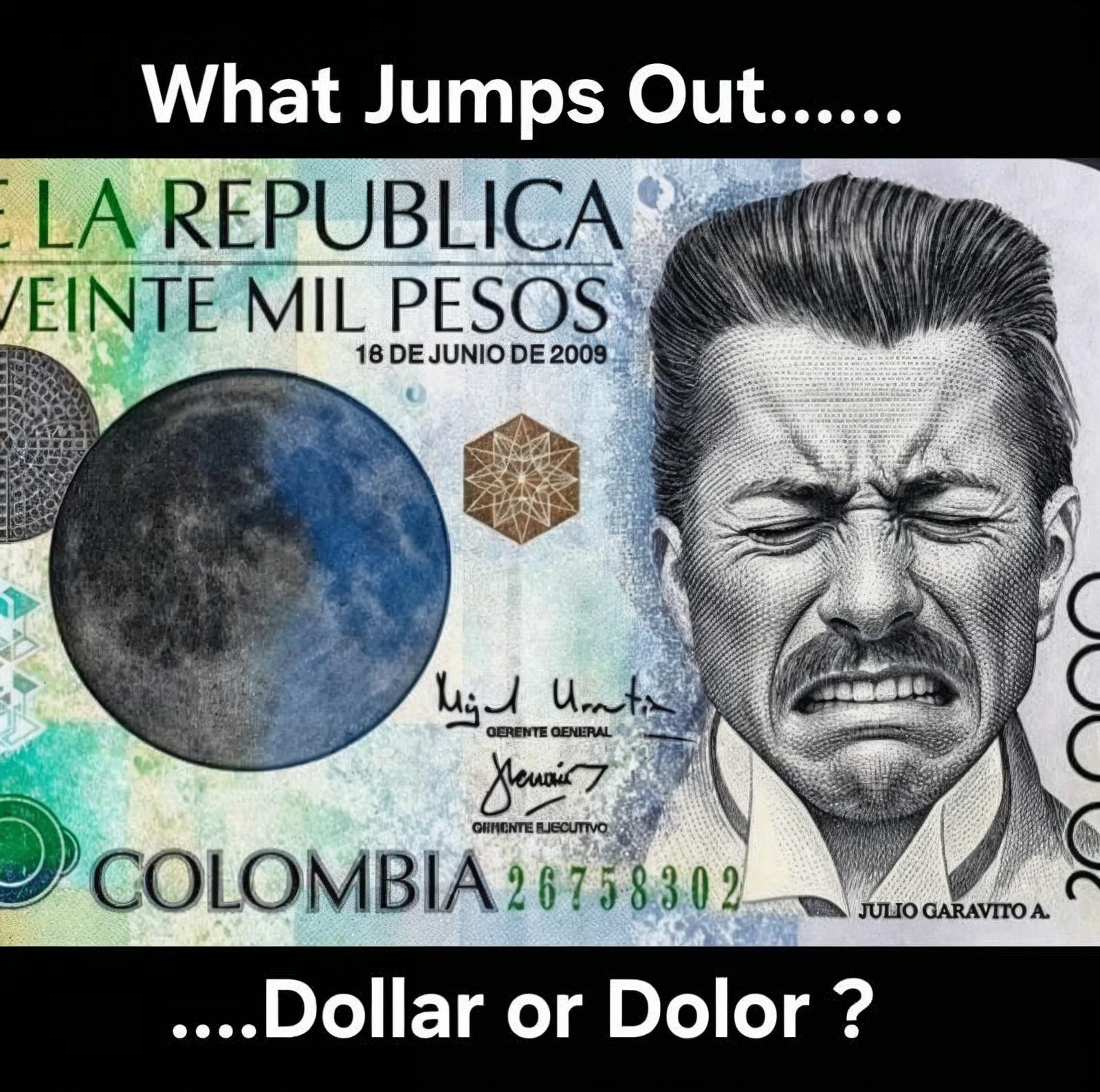
What Jumps Out: Dollar or Dolor?
Posted On August 4, 2026
Comment: Off
Tag: #Abelardo, banco de la republica, coffee exports, colombia, Colombia markets, colombian economy, colombian peso, commodities, consumer confidence, cop, currency, economic outlook, economy, Exchange Rate, exporters, exports, fedesarrollo, Fiscal Deficit, flower exports, Foreign Investment., Government, Gustavo Petro, inflation, interest rates, Investment, oil industry, presidential administration, public debt, real estate, rupert stebbings, tes bonds, Tourism, trade deficit
In a week’s time, Colombia will have a new president, and the reign of “The Tiger” will begin. What will that mean for the country? The truth is, no one would bet their mortgage on the outcome.
Historically, not only in Colombia but around the world, incoming presidents and prime ministers typically achieve only a fraction of what is promised during their campaigns. Even if 30% of commitments are delivered, Abelardo could still disappoint some of his supporters, particularly those in Medellín who became deeply disaffected with Gustavo Petro’s administration. Ultimately, only time will tell. Much has been promised, but the pudding still has to be proven.
One major challenge will be the currency, which has moved to levels not seen in many years. The peso reached COP 3,100 against the dollar on Friday, and while many had feared a move toward COP 3,000, the surprise decision by Banco de la República to leave interest rates unchanged at 12%, despite rising inflation, quickly reversed that trajectory. COP 3,200 appears possible as the week begins.
These are extremely challenging levels for exporters and, in turn, for Abelardo, who has promised a golden age for overseas sales. Key sectors such as coffee and flowers have already publicly expressed concerns about declining competitiveness. Even if the new administration succeeds in creating a new oil boom, revenues generated at current peso levels will be significantly lower than anticipated.
The past four years have been dominated by discussions around debt and deficits, which economists understand are the cumulative result of decisions made by previous governments. These pressures are unlikely to ease if the peso remains at current levels.
Consumer confidence from Fedesarrollo remains solid. Retail sales are supporting imports of durable goods, particularly vehicles and electronics, adding more than $1 billion USD to the monthly deficit.
Other sectors likely to feel pressure include tourism and real estate, both of which have experienced significant growth in recent years. Colombia has become an increasingly fashionable destination, and many visitors have later returned to invest in houses and apartments. Today, however, those investments have slowed, while visitors are finding hotels, restaurants and excursions considerably more expensive than they were two years ago.
The reasons behind the peso’s current level are many, but a key factor has been investment flows into Colombia’s attractive local TES bond market through carry trade strategies. That said, profit-taking could soon emerge, particularly if investors begin positioning for a stronger dollar.
Let’s see how “The Tiger” addresses the challenge.
My regards,
Roops