Previous Story
Colombia Selects Eight Municipalities for UN Tourism’s Best Tourism Villages 2026 Nomination
Posted On July 8, 2026
Comment: Off
Tag: antioquia, atlantico, Best Tourism Villages, caldas, Colombia tourism, Consacá, country of beauty, cundinamarca, Diana Marcela Morales Rojas, el dorado, el peñon, huila, Jericó, Julio Flórez, Lake Guatavita, Marulanda, Ministry of Commerce Industry and Tourism, Nariño, Norcasia, Paicol, páramo ecosystems, rural tourism, santander, sesquilé, UN Tourism, usiacuri
Eight towns advance to UN Tourism’s international nomination round
The Colombian Ministry of Commerce, Industry and Tourism (MinCIT) has completed the national evaluation stage to select the country’s candidates for the UN Tourism Best Tourism Villages 2026. This initiative is a global program that recognizes rural destinations for cultural preservation, sustainability, and tourism development.
From an initial pool of 27 municipalities across 13 departments, eight were selected to advance to Colombia’s official international nomination phase, which will be submitted by the ministry’s technical team to UN Tourism.
“Twenty-seven municipalities from 13 departments participated, with proposals that reflect the diversity, richness, and commitment of Colombia’s rural territories.” – Diana Marcela Morales Rojas, Minister of Commerce, Industry and Tourism
The Minister added that the selection process had a technical evaluation and qualitative assessment before identifying the final eight candidates.
The Best Tourism Villages initiative, led by UN Tourism, recognizes rural destinations that preserve their cultural and natural heritage. the goal is to use tourism to support sustainable economic and social development.
The eight shortlisted municipalities now move to the international nomination stage, where they will represent Colombia in UN Tourism’s annual selection process.
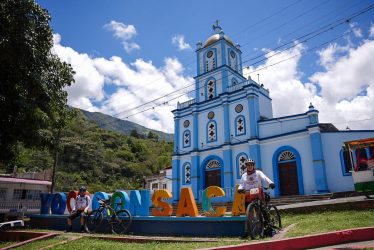
Consaca in Narino (Photo: Alcaldía)
Located on the slopes of the Galeras volcano, Consacá combines high-altitude coffee production with traditional craftsmanship. The municipality is recognized for its toquilla-straw handicrafts and its historical connection to independence-era battles in the region.
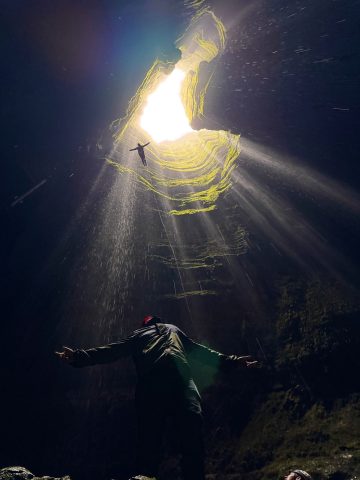
(Photo: Alcaldía de El Peñón)
El Peñón is a rural municipality in Santander known for its natural landscapes, caves, and agricultural traditions. Its tourism proposal highlights the connection between local communities, farming activities, and the quiet rural experiences offered by its mountain surroundings.
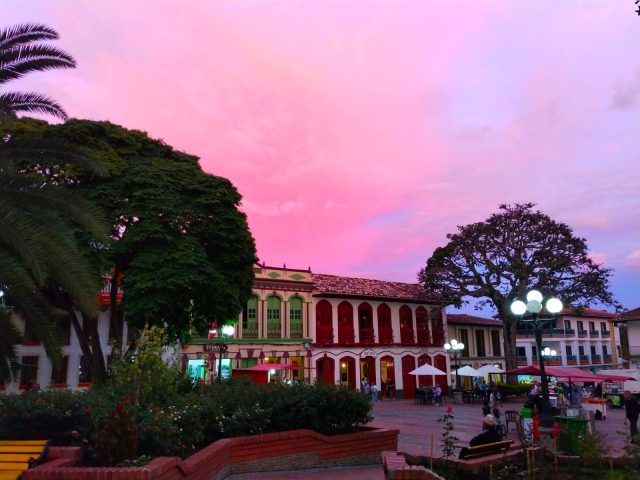
Jericó in Antioquia (Photo: Alcaldía de Jericó)
Surrounded by the Western Cordillera in Antioquia, Jericó combines coffee culture, historic architecture, and deep-rooted traditions. The municipality is known for its flower-lined balconies, religious heritage, and as the birthplace of the carriel, the traditional leather satchel that has become one of the region’s most distinctive symbols.
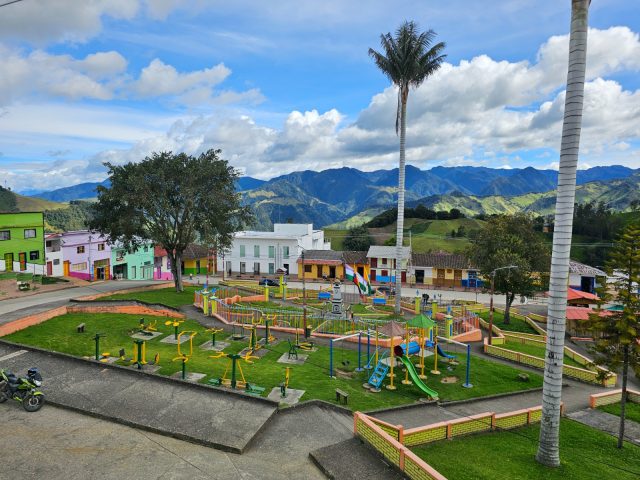
Marulanda in Caldas (Photo: Alcaldía de Marulanda)
Surrounded by high-altitude páramos in Caldas, Marulanda preserves a rural identity built around sheep farming, wool craftsmanship, and traditional textile production. The municipality also maintains its arriería (muleteer) heritage, connecting its cultural traditions with the mountain landscapes that shape its tourism offer.
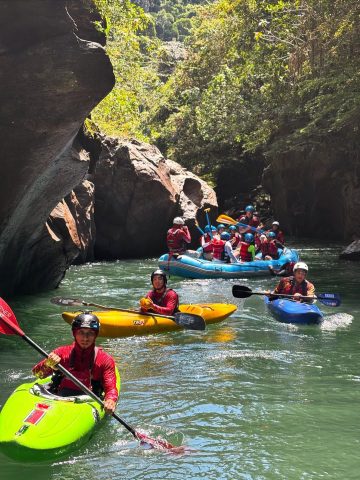
(Photo: Alcaldía de Norcasia)
Shaped by rivers descending from the Central Cordillera, Norcasia in Caldas blends cacao production, biodiversity, and adventure tourism with community-led initiatives. Its natural surroundings provide a setting for ecotourism experiences while local traditions remain central to the municipality’s tourism identity.
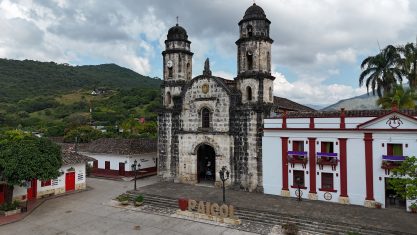
(Photo: Alcaldía de Paicol)
Often called La Puerta del Viento (The Gateway of the Wind), Paicol in Huila combines natural attractions with deep-rooted cultural traditions. The municipality’s caves, cacao production, and Semana Santa celebrations form part of a tourism offer that connects local heritage, landscapes, and community experiences.
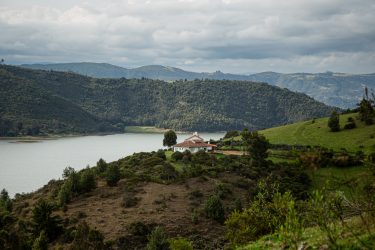
(Photo: Alcaldía de Sesquilé)
Tied to the legend of El Dorado, Sesquilé in Cundinamarca offers a unique connection between ancestral heritage, nature, and rural tourism. Located near Lake Guatavita, the municipality works to preserve its páramo ecosystems and traditional knowledge while showcasing the landscapes that have shaped its cultural identity.