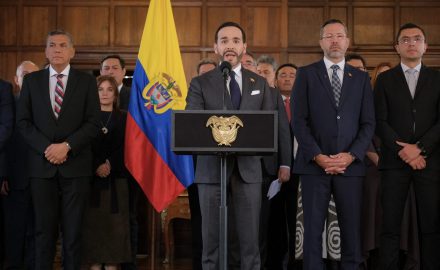
De la Espriella’s deportation order signals a sharp turn in Colombia’s migration policy, shifting from years of regularization and integration toward stricter enforcement, and potentially affecting hundreds of thousands of Venezuelans.
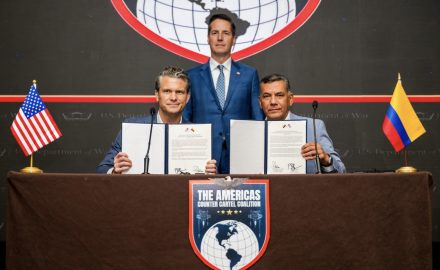
Three US announcements signal rapidly expanding ties with Colombia, but key questions remain. Joint military operations, regional security coalition and a proposed $1 USD billion aid package are now in focus.
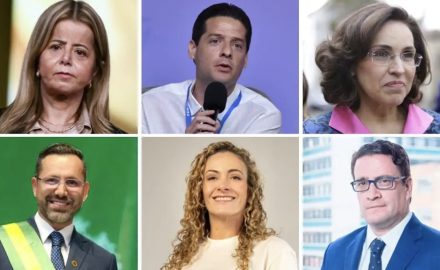
This is what Colombia's first far-right government will look like. Traditional conservatives, regional political clans, technocrats and newcomers make up the team that will govern alongside De la Espriella.
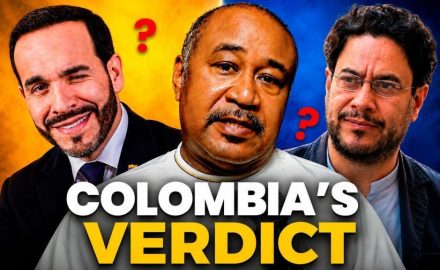
Colombia's runoff pits a pro-business outsider against a Bulgaria-educated neo-Marxist Petro ally — with petroleum, healthcare, and investment sectors watching closely.
Espriella, a far-right candidate has advanced to the presidential runoff with a viable path to victory, while Cepeda posted the strongest electoral result ever achieved by a left-wing candidate.
As part of his “Total Peace” policy, President Gustavo Petro is seeking a temporary concentration zone for the Clan del Golfo, Colombia’s largest drug-trafficking group.
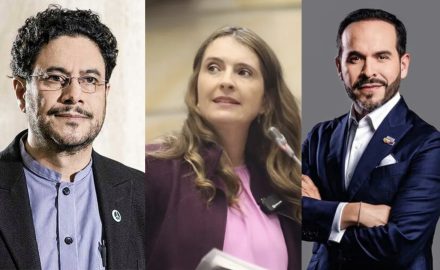
Leftist candidate Iván Cepeda continues to lead presidential pre-elections polls, followed by right-wing senator Paloma Valencia and far-right contender Abelardo de la Espriella.