Previous Story
Medellín Buyers Choose Between a City Apartment and a Home Among the Mountains
Posted On November 17, 2026
Comment: 0
Tag: Alcaldía de Medellín, antioquia, apartments, bodegas, casa campestre, colombia, Colombia property investment, Colombia real estate, commercial real estate, Concejo de medellín, country homes, el retiro, finca, guarne, homeowners associations, la ceja, land purchase, land use, Law 675 of 2001, llanogrande, local comercial, lote, medellin, Medellín real estate, oecd, offices, parcelación, Plan de Ordenamiento Territorial, POT Medellín, propiedad horizontal, remote work, residential real estate, retail premises, Río Centro, Río Norte, Río Sur, rionegro, river corridor, urban renewal, US Census Bureau, vivienda multifamiliar, warehouses, zoning
Property types, land-use rules and a POT still awaiting signature
One of the conversations I enjoy most as a local real estate advisor begins before we discuss prices or square meters: How would you like to live in Medellín?
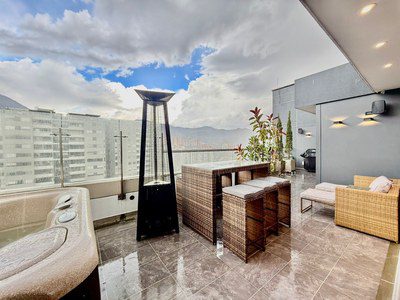
Can you picture yourself walking out for coffee, having restaurants nearby and going about much of your day without a car? Or would you rather open your door to a garden, listen to birds and have space to grow something?
There are also buyers looking for an investment who need to understand who might live in a property, what makes its location attractive and what responsibilities come with ownership.
As a realtor and local real estate advisor, part of my work is connecting those expectations with everyday life. A property can look beautiful in photographs, but it is by understanding its surroundings, distances and practical details that we discover whether it truly fits.
Medellín and its surrounding municipalities offer many possibilities. Buyers from the United States will recognize several of them, although there are differences worth understanding.
Apartments: Keeping the City Close
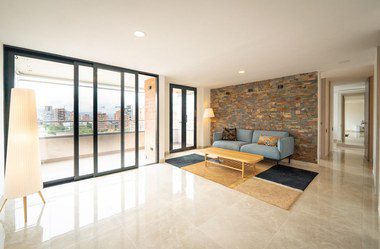
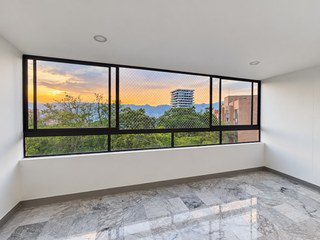
For someone who wants to enjoy urban life, an apartment can be an excellent starting point.
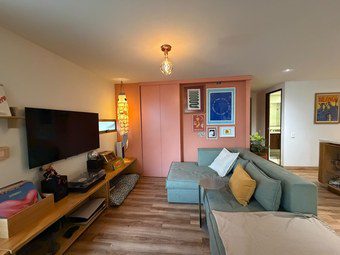
Medellín offers everything from studio apartments to spacious family homes, classic buildings and modern towers with swimming pools, gyms, gardens and shared spaces.
What is interesting is that two apartments of a similar size can offer completely different experiences. One may be close to cafés, supermarkets and restaurants; another may sit on a hillside with greater privacy, where driving becomes part of the daily routine.
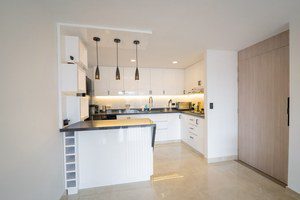
That is why a property search also involves simple questions: Where do you buy groceries? How do you like to exercise? Do you work from home? How important is it to be able to walk?
For an American buyer, an individually owned apartment under Colombia’s propiedad horizontal framework is broadly comparable to a condominium. There is a private unit and shared ownership of the building’s or development’s common elements. In Colombia, this framework is governed by Law 675 of 2001.
The monthly administration fee is also part of the decision. It is worth understanding which services it covers and how the building is maintained. Shared amenities bring convenience, and their upkeep is a shared commitment.
Houses: Space for a Different Way of Life
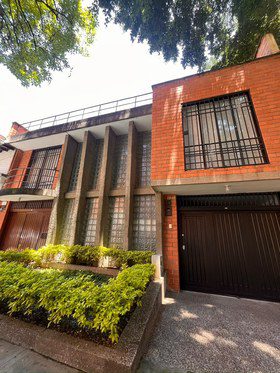
Some buyers know from the beginning that they want a house.
Perhaps they have pets, enjoy hosting friends, need greater independence or dream of a garden. Others have lived in a house in the United States and want to preserve part of that experience when they move to Colombia.
Medellín has detached houses, attached homes and houses within residential communities. Each option has its own rhythm.
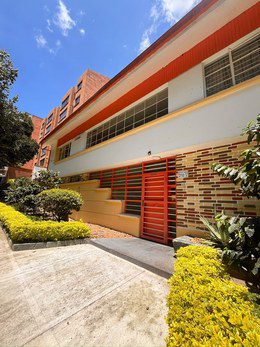
A house within a managed community may offer outdoor space alongside security and maintenance of shared areas. Someone familiar with US homeowners associations, or HOAs, will recognize certain features, although the documents and obligations need to be reviewed individually.
Here, too, everyday practicality matters: stairs, natural light, maintenance and proximity to the places you visit regularly.
Multifamily: A Term Worth Clarifying
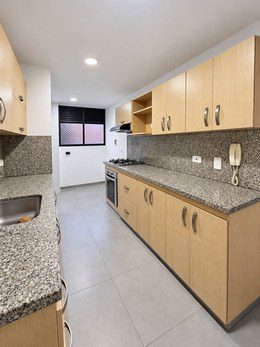
When an American investor mentions a multifamily property, it is important to establish exactly what they are looking for.
They may mean a duplex, a building with several rental homes or an entire apartment building that generates income.
In Medellín, vivienda multifamiliar is also a planning term for buildings containing several homes and shared elements. It does not necessarily mean the building has a single owner or is being offered as one investment.
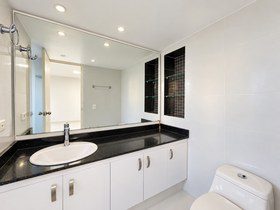
Before comparing opportunities, we need to understand what is being purchased: an entire building, several apartments with separate titles or a house that has been divided into units. That clarity makes comparisons between the two markets much more useful.
Retail Premises, Offices and Warehouses: Understanding the Neighborhood’s Commercial Life
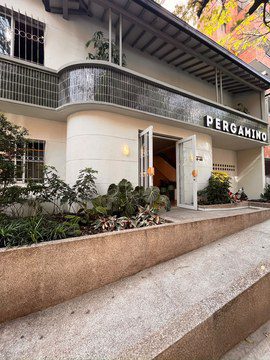
The property market also includes places where people work, start businesses and grow their companies.
A local comercial may be a street-level shop or a unit within a shopping center. Offices and bodegas, meaning warehouses or industrial premises, serve different needs.
Here, I find it particularly valuable to observe the neighborhood: who passes through, which businesses operate nearby, how people get there and what a future occupier would need.
An attractive shop may need better visibility. A warehouse may depend on access for freight vehicles. An office may be more practical for its transport connections than for its view.
American buyers will recognize the retail, office and industrial categories. What they need to understand is the local setting and whether the permitted use matches their intended activity.
Country Homes and Land: When the Setting Is Part of the Dream
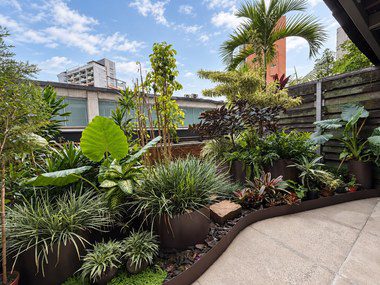
For some people, the search changes direction when they discover the mountains surrounding Medellín.
Places such as El Retiro, La Ceja, Guarne and Llanogrande, in Rionegro, introduce another possibility: more outdoor space, gardens, a closer connection with nature and a different daily routine.
A lote is a land parcel; buyers need to verify what can be built and under which conditions. A casa campestre is a country home that may work as a permanent or second residence, depending on its location and services. A parcelación is a development of country properties whose rules, infrastructure and management should be reviewed. A finca may have recreational, residential or productive purposes; the name alone does not establish its authorized uses.
Buying land is exciting because it allows you to imagine a home tailored to you. It also requires understanding the site before falling in love with the project.
Access, water, terrain and permissions are essential parts of the conversation. Colombian regulations distinguish between subdividing a property and obtaining authorization to develop, parcel or build on it.
Each municipality also has its own land-use rules. A property near Medellín may fall under a different jurisdiction.
Remote Work Has Opened New Possibilities
Working from home has expanded the choices available to some people. When you no longer need to travel to an office every day, places that once seemed too far away become worth considering.
Similar shifts have been observed internationally. OECD research documented stronger suburban house-price growth during the pandemic, while the US Census Bureau identified a greater presence of outlying communities among the fastest-growing places in 2022–2023 compared with 2018–2019.
This helps put the interest in more space and nature into context, although every buyer has different reasons.
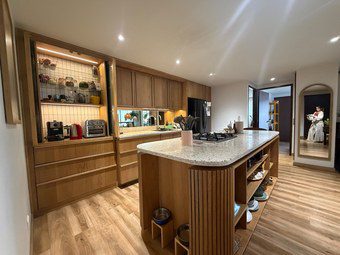
My invitation is to imagine a whole week in the property: a working Monday, a medical appointment, grocery shopping and dinner with friends.
Useful questions follow: How reliable is the internet? How much time would you spend driving? How close are the services you need? A country home can be a wonderful choice when its location supports the life you want to lead.
As Some Buyers Look Outward, Medellín Is Transforming Within
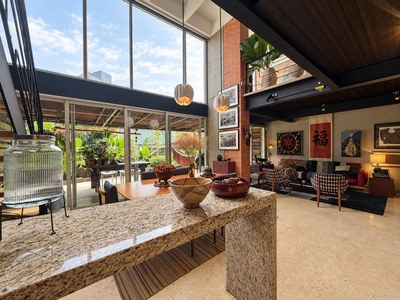
One of the most interesting aspects of the region is that country living and new ways of inhabiting the city can develop at the same time.
Medellín has a transformation strategy along its river corridor, encompassing Río Norte, Río Centro and Río Sur. Each responds to different conditions involving housing, economic activity, public space and urban connections.
For those familiar with areas dominated by warehouses, workshops or industrial activities, this vision opens a conversation about how those neighborhoods might evolve.
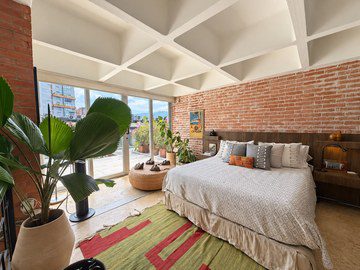
The planning direction includes integrating housing, commerce, services, heritage and economic activity. In Río Centro, the relationship with downtown Medellín is part of that vision.
As an advisor, I want to help buyers read these changes with perspective: understanding what exists today, what is planned and what still needs to happen for a transformation to take shape.
The POT and Property Decisions
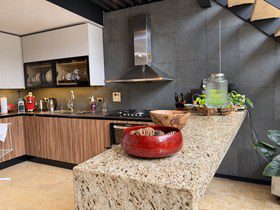
The Plan de Ordenamiento Territorial (Land Use Plan), known as the POT, guides how Medellín can grow and which uses can take place in its different areas.
The Concejo de Medellín (Medellín City Council) approved its medium-term revision in the second and final debate on November 5, 2026, and formalized the final document on November 12. Mayoral sanction remains pending, and until the agreement is sanctioned and published, the 2014 plan continues to apply to each property.
The administration’s published proposal describes different renewal approaches — redevelopment, reactivation and revitalization — to respond to each area’s needs.
For someone considering a purchase, this context helps frame better questions about the future of the surroundings. The timing and results of each project depend on its particular conditions, infrastructure, financing and execution.
The Investor’s Perspective: Who Needs This Property?
When I work with someone looking to invest, one of the first questions I like to ask is: What do you want this property to do for you?
Some people want monthly income. Others want a property they can enjoy during certain periods and rent out at other times. Others prefer to buy and renovate, hold an asset over the long term or develop a project.
Each objective leads to a different search.
An apartment close to services may appeal to someone moving to Medellín to live and work. A house may meet the needs of a family seeking stability and space. Commercial premises need a location that works for the tenant’s business. Land requires a study of what can be developed, how much it would cost and how long it would take.
Beyond asking how much a property might earn, I want to understand who would use it and why they would choose it. That connection between the property and its potential occupier helps us evaluate the investment more thoughtfully.
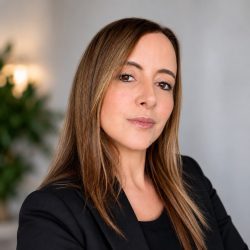
“Beyond asking how much a property might earn, I want to understand who would use it and why they would choose it.” — Andrea Guerra, realtor and real estate advisor, Medellín
For buyers coming from the United States, the comparison should include local expenses and operations. The purchase price is only one component: administration fees, taxes, maintenance, improvements, management and vacancy all affect the result. If capital and income are measured in different currencies, exchange rates also enter the conversation.
It is also worth considering a future sale from the beginning: who might buy the property, and how broad would that market be?
Changes around the river and interest in living outside the city offer interesting directions to explore. My role is to help distinguish between an area’s appeal, a property’s possibilities and the assumptions behind an expected return.
A well-considered investment begins with understanding the place, running the numbers and finding a property that meets a real need.
A Property That Supports Your Life and Your Goals
One of the things I enjoy most about my work is discovering that we are not all looking for the same thing.
Some people feel at home in an apartment close to everything. Others need a garden. Some want to build wealth through rental income, while others are looking for a place to develop their business.
My role as a realtor and advisor on ways of living in Medellín is to help connect those possibilities with what you value, your budget and your personal and investment goals.
The conversation begins with two questions: How do you want to live, and what do you want to build through this purchase?
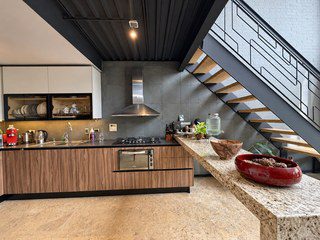
Headline photo: An apartment balcony looking across Medellín toward the mountains. (All photos provided by Andrea Guerra)