Previous Story
Colombian Farmers Block Roads After President Gustavo Petro’s Land Agency Delivers Plots Without Titles
Posted On July 9, 2026
Comment: Off
Tag: abelardo de la espriella, Agencia Nacional de Tierras, agrarian reform, ANT, campesinos, cesar, Chimichagua, Ernesto Orozco, Gustavo Petro, Juan Felipe Harman, la guajira, land titles, magdalena, property rights, road blockades, rural land reform, SAE, Sociedad de Activos Especiales, valledupar
Farmers hold adjudication papers but no promised deeds as the outgoing president’s term winds down.
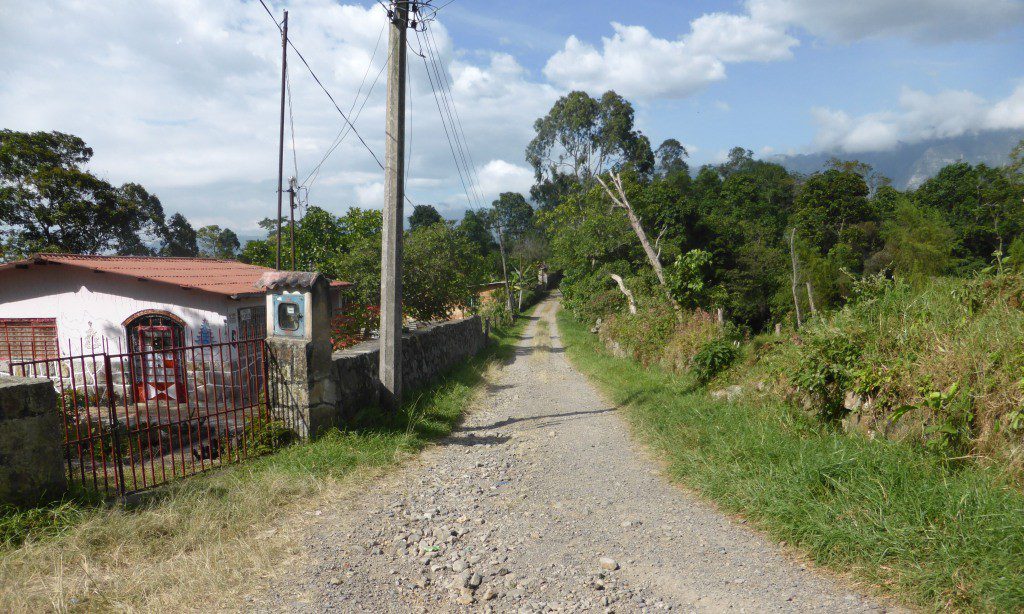
Road corridors across the department of Cesar have been blocked since early July by campesino communities demanding something they say they were promised but never legally received: the registered deeds to land that the national government of President Gustavo Petro publicly adjudicated to them. Families who stood at official ceremonies and, in many cases, walked away with adjudication resolutions say that months later they still hold no escrituras (registered deeds) establishing them as the legal owners of their plots.
The gap between the ceremony and the paperwork has left hundreds of rural families in legal limbo over the homes they occupy and the crops they plant. Their central fear is timing. President Petro’s administration leaves office on August 7, when president-elect Abelardo de la Espriella is inaugurated, and the affected communities worry that once the clock runs out, no one will finish titling the parcels handed over in what several protesters have described as largely symbolic acts.
According to Infobae, close to a hundred farmers initially gathered outside the Valledupar offices of the Agencia Nacional de Tierras (National Land Agency), or ANT, the entity responsible for the program. When no officials came out to address them, the group moved to block the department’s main road corridors, halting regional transport. The protesters include campesinos from Cesar, La Guajira, and Magdalena.
A campesino leader from the municipality of Chimichagua, who withheld her name, publicly accused the ANT’s director and two members of Congress — representatives Alexandra Pineda and Nadia Umaña — of handing over land “symbolically and irregularly … generating false expectations in the communities,” according to Noticias Caracol. She said the communities felt they had been used as part of a media event while the documents formalizing ownership never arrived.
“When they carry out those handovers, the mayors are never called in. When they fail to deliver, the problem is left with us, and they block the city.” — Ernesto Orozco, Mayor of Valledupar
The mayor of Valledupar, Ernesto Orozco, placed responsibility on the agency’s management and the absence of its director, Juan Felipe Harman. Orozco said ANT officials had come to the region, handed out some resolutions, and left without completing the legal process, leaving a major social problem in the hands of the municipalities. His administration activated social-dialogue protocols through its security and government secretariats and spoke with the protesters for more than three days, he said, but could not find a single national-government representative in Valledupar willing to meet them.
“Here we are talking about the director of the National Land Agency, whose officials came, symbolically handed over some things, some with a resolution, but they have not given them the titles, and that is what the campesinos are demanding — their land titles,” Orozco said.
The only response, the mayor said, came from Bogota, where an ANT official explained that the agency was in the middle of its institutional handover to the incoming administration and could not send a delegate to Cesar. The agency’s proposed solution was for the farmers themselves to form a commission and travel to the capital. Lacking the resources to do so, the affected families relied on a private citizen, arranged through the Valledupar mayor’s office, to cover the bus fares for five campesino leaders who made the trip to Bogota. Officials warned that the corridors could close again if the delegation returned without concrete answers.
“We are not against agrarian reform or anything of the sort, but let them hand over the titles, or do things the way they should be done,” Orozco said. “When they carry out those handovers, the mayors are never called in. In my case, they did not call me, they did not tell me who received land or anything like that, but when they fail to deliver, the problem is left with us, and they block the city.”
The dispute lands at a moment of unusual instability at the top of the agency. Harman resigned as ANT director in early June to join the presidential campaign of leftist candidate Iván Cepeda, then returned to his post after Cepeda lost the June runoff to de la Espriella. The incoming president has threatened to eliminate the ANT altogether, sharpening the communities’ concern that the titling of their plots could stall in the transition.
The land at the center of the protests is tied to Petro’s flagship agrarian reform program. In its response to Noticias Caracol, the ANT said Harman had met with campesino communities from Cesar and elsewhere and that some titles would be issued during the second half of July. The agency said part of the parcels are properties recovered from the Sociedad de Activos Especiales (Special Assets Company), or SAE, the state entity that manages assets seized through extinción de dominio (asset forfeiture). The agriculture sector’s own tally counted more than 550 parcels recovered across several departments, including Cesar. The plots handed to the Cesar families were formerly SAE-administered properties that the agency acquired for about $1 trillion COP, part of 250 parcels purchased under a single agreement, with a titling process the agency said can take up to seven months but remains in force. Should a plot later face a legal reversal through a forfeiture proceeding, the agency said the parcel would not be taken back from the campesino; instead, the corresponding value would be paid to the former owner or alleged front holder.
Neither Harman nor the ANT’s central office had issued a definitive public resolution for the affected families as of Infobae’s publication. For an incoming administration that has questioned the agency’s very existence, the episode underscores how far a redistribution program can advance politically — through ceremonies, resolutions, and public tallies — while stopping short of the registered title that gives a rural family durable, bankable ownership of the ground beneath it.