Previous Story

Avianca Recovers Operations After Urgent Airbus A320 Software Update Mandate
Posted On December 1, 2025
Comment: Off
Tag: a319, a320, a321, airbus, avianca, easa, EPA: AIR, european union aviation safety agency, ground stop, grounding, jblu, jetblue, xetra: air
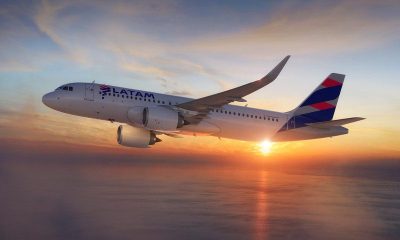
Colombian airline Avianca S.A. announced significant progress in complying with an urgent software update mandated by Airbus S.E. (EPA: AIR; XETRA: AIR) for its global A320 family fleet. The update, required to mitigate potential flight control data corruption caused by intense solar radiation, had temporarily grounded a substantial portion of commercial aviation aircraft manufactured by Airbus.
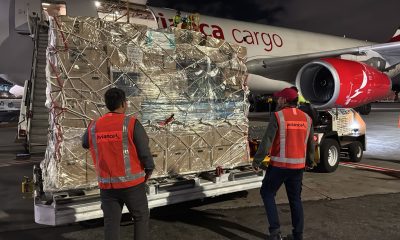
As of December 1, Avianca reported that specialized technicians had completed the software update on approximately 90% of the affected aircraft. The remaining planes are currently undergoing modification, a process facilitated by the accelerated import of the necessary software from France by the manufacturer, Airbus. The airline is collaborating with civil aviation authorities and the manufacturer to fully restore operations promptly.
The disruption, which began after Airbus issued an “Alert Operators Transmission” on November 28, required affected aircraft to remain on the ground until modifications were implemented. The issue was discovered after an investigation into an incident involving a JetBlue Airways Corporation (NASDAQ: JBLU) A320 flight on October 30, where the aircraft experienced a sudden dive in altitude while flying from Cancun, Mexico, to Newark, New Jersey. Airbus stated that the software fix was required because intense solar storms, such as solar flares, could corrupt data critical to the fly-by-wire flight controls of the A320 series planes (A319, A320, and A321s).
The mandate from the manufacturer affects a majority of Avianca’s fleet, impacting over 70% of its aircraft when the order was issued. Globally, approximately 6,000 of the best-selling single-aisle planes required the software repair. The European Union Aviation Safety Agency (EASA) issued an airworthiness directive requiring airlines to complete the repairs before returning the planes to passenger service.
Operational Impact and Customer Rerouting
Avianca stated that the required grounding of aircraft has so far impacted 233 flights and affected 35,708 passengers, with 29,881 of those passengers traveling within Colombia.
Due to the rapid pace of the required work, the airline has re-opened sales for flights scheduled to operate from December 5, earlier than the original December 8 cutoff date. Prior to this, Avianca had initially closed sales for travel dates up to, and including, December 8, to prevent further impact and allow the company to reallocate existing passengers onto available flights.
To manage the disruption, Avianca implemented a comprehensive customer support plan, which included:
- Rerouting: Affected customers were protected through immediate re-accommodation on available Avianca flights or on flights operated by other airlines with which the company maintains commercial agreements.
- Refunds and Rebooking: Passengers whose plans could not be accommodated were offered a refund for unused flight segments. The airline also offered passengers the option to reschedule their flights up to 180 days after the original flight date without incurring a penalty or fare difference.
- Support Services: The airline increased staff presence at airports, with over 50 additional personnel deployed at Bogotá’s El Dorado international airport, to provide assistance, particularly for elderly passengers, those traveling with children, or those with disabilities.
- Capacity Expansion: The contact center and refund processing teams increased capacity to manage the higher volume of inquiries and expedite reimbursements. New communication channels, including WhatsApp, were established to inform clients of irregularities and offer travel alternatives.
Avianca noted that the efforts of its staff, particularly its base of over 2,500 technicians, remain focused on fully restoring the operation. For most aircraft, the required modification involves a simple reversion to previous software, a process Airbus estimated could be completed in approximately two hours for the majority of the global fleet. However, around 900 older A320 aircraft globally require a more complex fix involving the manual installation of new hardware.