

Previous Story
When the Earthquake Ends, Who Stays?
Posted On September 28, 2026
Comment: 0
Tag: chocó, Chocó earthquake, colombia, Colombia earthquake, Cuando Pase el Temblor, dane, disaster relief, Dublin, Humanitarian Aid, ireland, La Pascasia, monetary poverty, Mónica Gil Ryan, One Inversión Social, One Social Investment, philanthropy, Presentes Corporación, reconstruction, San José del Palmar, Sankofa Danzafro, social investment, Una Noche por Chocó, ungrd
Chocó Will Be Rebuilding Long After the Quake Leaves the Headlines
On August 10, a 7.4-magnitude earthquake struck Colombia, with its epicenter in San José del Palmar, Chocó. In a matter of seconds, homes, schools, health infrastructure and entire communities were affected.
According to official figures released on August 25 by Colombia’s National Unit for Disaster Risk Management (UNGRD), the earthquake had affected 361,353 people across 16 departments and 494 municipalities. The toll included 331 people dead, 4,439 injured and 240 still missing. More than 178,000 homes had been damaged, over 31,000 destroyed, and 603 buildings had collapsed.
An earthquake is indiscriminate when it strikes. Its consequences are not. Where the earth shakes matters. Because when a disaster hits a territory that has spent decades carrying the weight of poverty, weak infrastructure, geographic isolation, armed conflict and institutional neglect, the emergency does not begin with the earthquake. The earthquake simply finds an old wound.
According to Colombia’s National Administrative Department of Statistics, or DANE, Chocó remains the department with the highest rate of monetary poverty in the country: 65.3% of its population lived in monetary poverty in 2025. That means nearly two out of every three people. So when we speak about the earthquake in Chocó, we cannot speak only about collapsed homes. We also have to speak about what was already fragile before the first wall fell.
And what happens after the cameras leave? Because Colombia knows how to mobilize in the first days of a tragedy. We donate. We share links. We organize collections. We send messages. For a brief moment, a place that has often been invisible occupies the center of our attention. And then, inevitably, something else happens. Another headline. Another crisis. Another trending topic. The emergency disappears from our screens long before it disappears from people’s lives.
That is where I believe philanthropy has a responsibility that goes beyond generosity. Its role is not simply to respond when tragedy becomes visible. It is also to ask what happens when it is no longer visible.
“The emergency disappears from our screens long before it disappears from people’s lives.”
— Mónica Gil Ryan
At ONE Social Investment, we have been thinking deeply about that question in the aftermath of the earthquake. Together with Sankofa Danzafro, La Pascasia, Presentes Corporación and a community of artists, cultural leaders and citizens, we created Una Noche por Chocó (A Night for Chocó).
The idea was simple: bring people together and turn attention into action. And people responded. Through this collective effort, $192,462,609 COP were raised, alongside a logistics operation that supported 66 flight segments, representing 40.4 hours of flight, the transportation of around 20 tons of humanitarian aid, and the movement of more than 150 people from medical and humanitarian teams.
These numbers matter because they represent something very concrete: people, supplies and resources reaching where they were needed. They also show what can happen when philanthropy is understood not only as giving money, but as connecting people, capabilities and resources around a common purpose.
Art played an important part in that. More than 30 artists donated their work. People bought tickets, acquired artwork, donated and brought their networks into the conversation. Read more about Una Noche por Chocó and see what this collective effort made possible, including the results and moments from the event.
Art does not rebuild a house by itself. Neither does a concert. But art can do something that philanthropy sometimes forgets: it can keep us emotionally connected to people whose reality is not our own. That connection matters because emergencies compete for our attention.
The first days after a disaster bring headlines, images and an understandable wave of solidarity. But rebuilding does not happen at the speed of the news cycle. The families affected by the earthquake will still need support when Chocó is no longer on the front page. They will still be rebuilding homes, recovering livelihoods and navigating the consequences of losing what they had.
And that is exactly where we are now. The emergency is not over. The immediate response is giving way to something harder and slower: reconstruction. This is the moment when solidarity is tested in a different way. Not by how quickly we can react, but by whether we are willing to stay involved when the urgency becomes less visible.
At ONE, we are continuing to support the response through different efforts and partnerships, because the work ahead is bigger than any one organization. It requires companies, foundations, artists, communities, donors and citizens willing to contribute what they can: capital, logistics, knowledge, visibility, relationships or simply attention.
That solidarity is also crossing borders. On September 26, Colombians and friends of Colombia in Dublin came together at River Bar for Cuando Pase el Temblor (When the Tremor Passes), a fundraising event supporting the recovery of communities affected by the earthquake in Chocó. The afternoon brought together coffee tasting, bingo with €700 EUR in prizes, salsa, dance and music, creating a space to come together while raising resources for Colombia. Each €15 EUR ($17 USD) ticket was a donation. Thank you to everyone in Dublin who organized, attended and gave, and who turned an afternoon an ocean away into real support for Chocó.
The work continues, and so does the need. To support ONE Social Investment’s ongoing response in Chocó, you can make a contribution of any amount through our international donation page, or find ways to give from Colombia on ONE’s campaign page.
Because solidarity should not have an expiration date. The earthquake lasted seconds. Rebuilding will take much longer. The question is whether Chocó will have to do it alone.
If you believe the answer should be no, keep being part of it. Share the campaign. Bring your company or organization into the effort. Connect us with people who can help. Or simply keep talking about Chocó when it is no longer the headline. The emergency is still alive. And so should be our solidarity.
Follow the conversation:
LinkedIn: Mónica Gil Ryan
Instagram: @monicagilryan
-

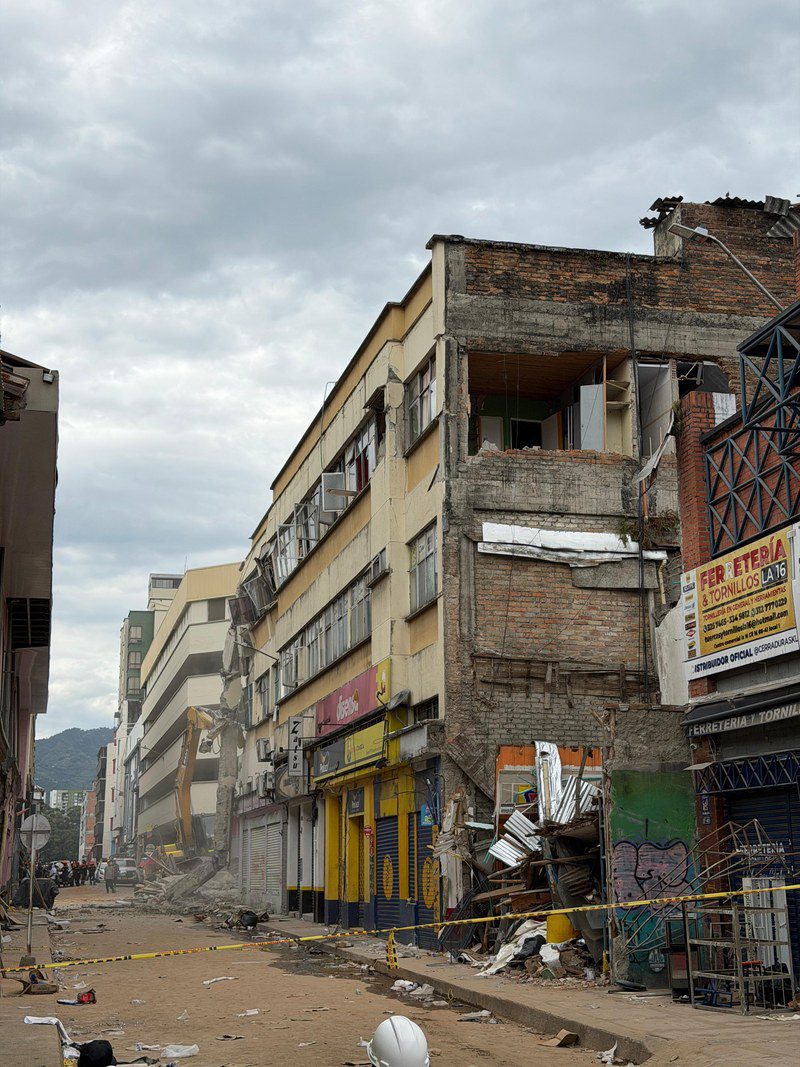
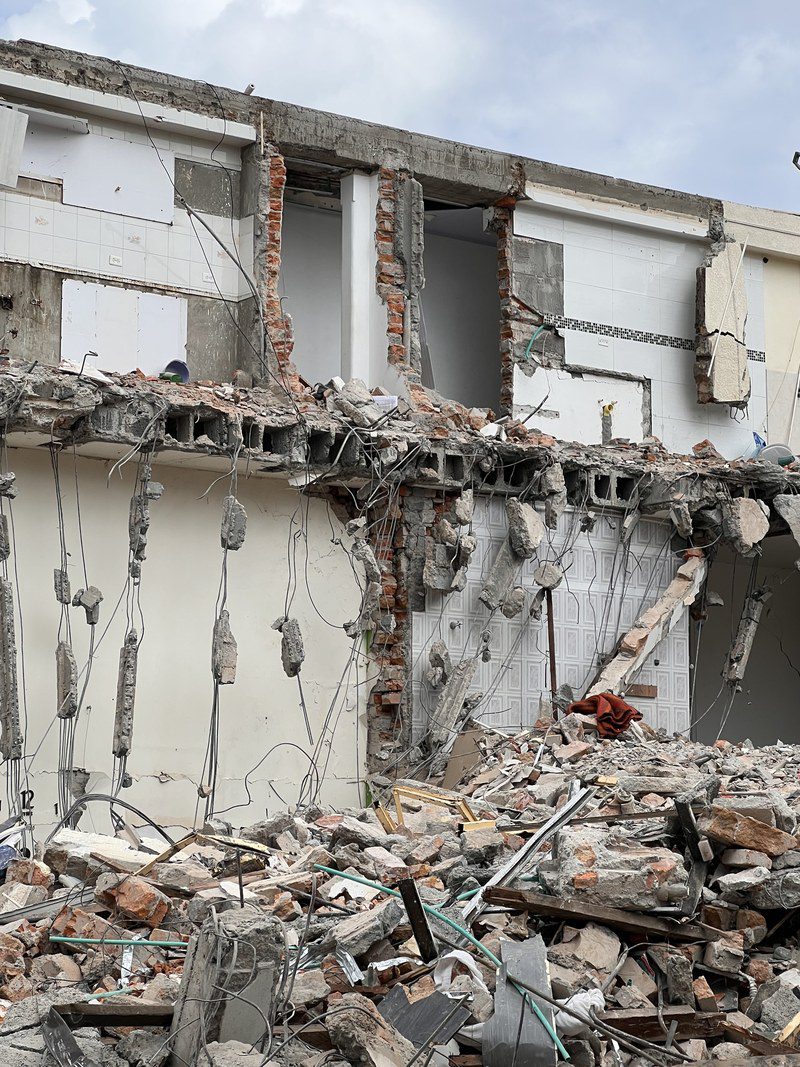
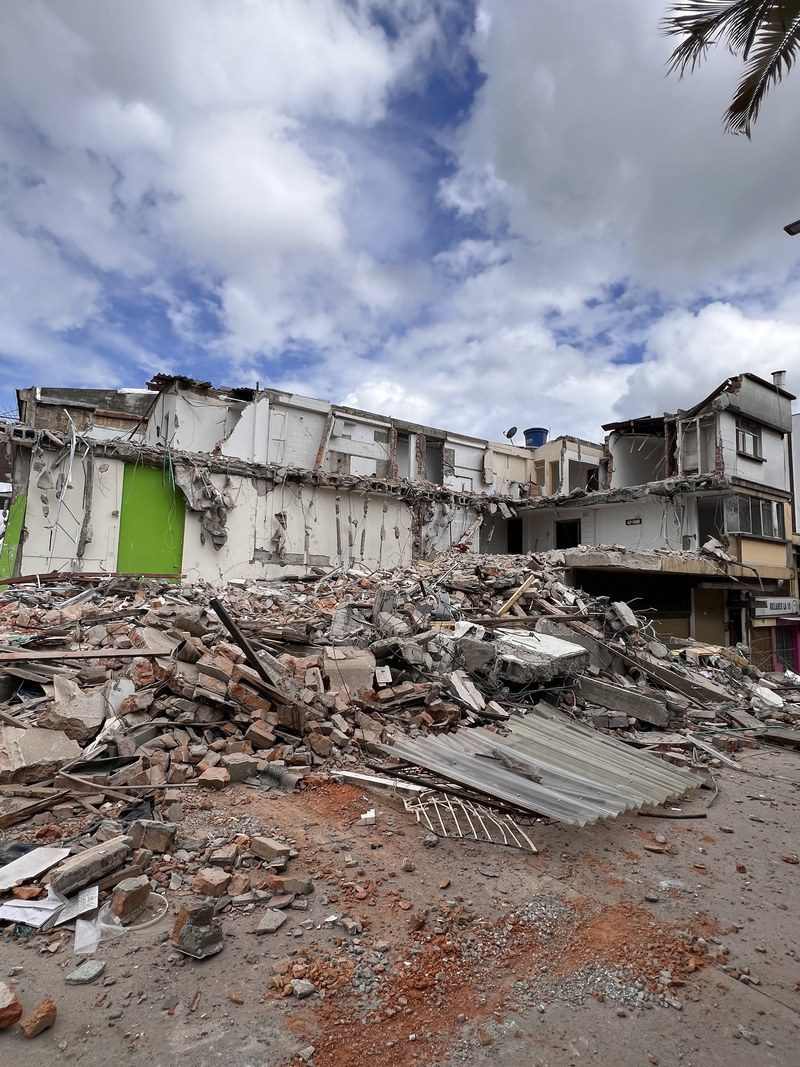
- An excavator clears a damaged structure on a cordoned-off commercial street after the August 10, 2026, earthquake. (Photo courtesy ONE Social Investment)
-
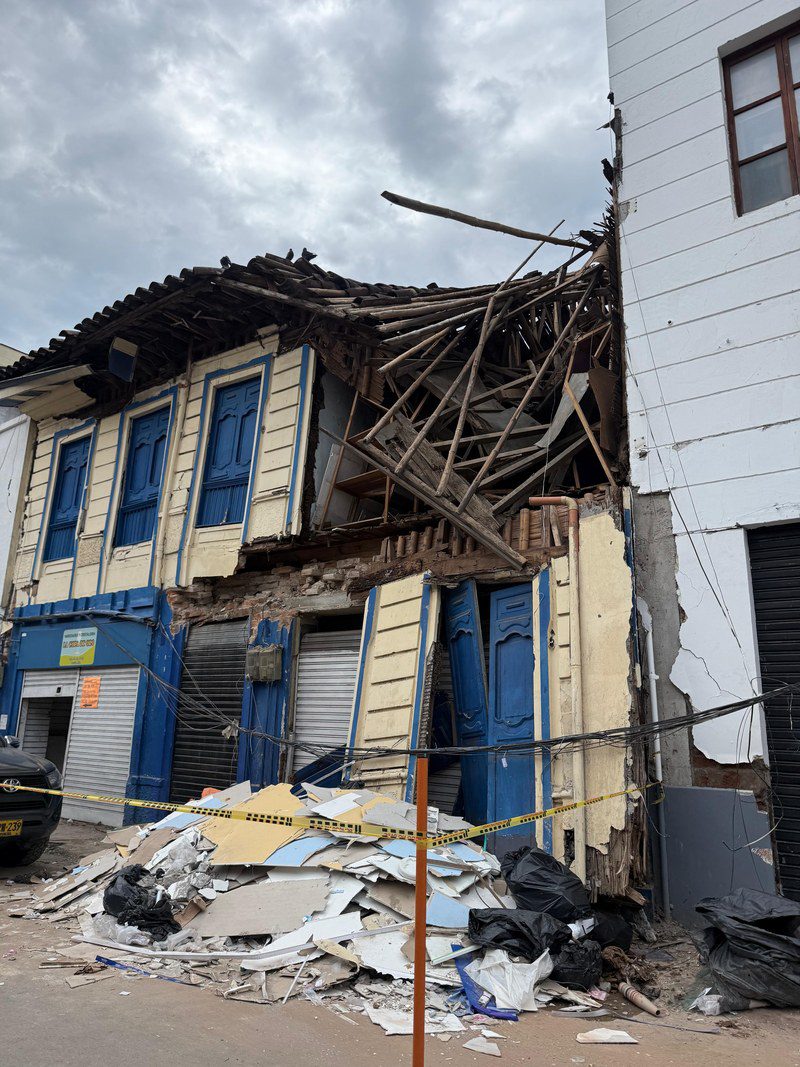
- The roof and part of the upper floor of a two-story house with traditional wood and cane framing collapsed. (Photo courtesy ONE Social Investment)
-
- Brick, concrete slabs and wiring hang from the exposed floors of a collapsed building. (Photo courtesy ONE Social Investment)
-
- Debris from several collapsed buildings covers a street in one of the affected urban areas. (Photo courtesy ONE Social Investment)
-

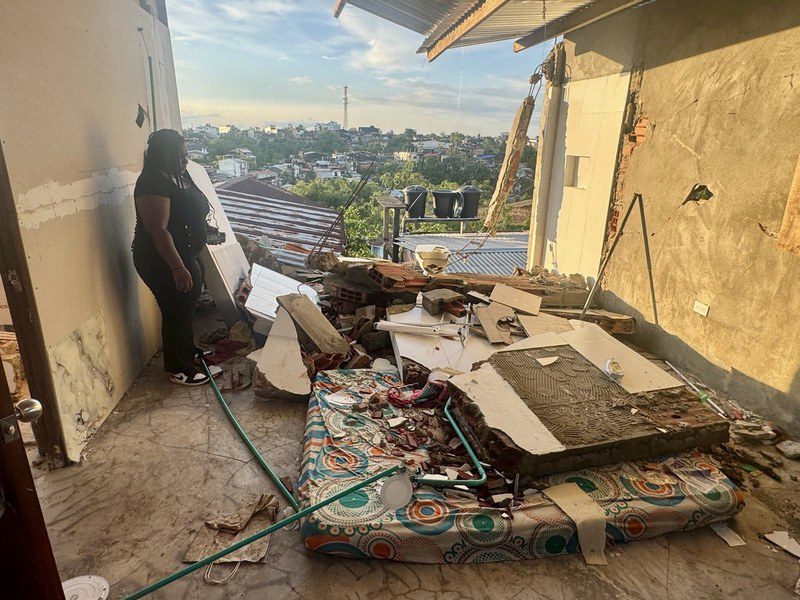
- A woman surveys a bedroom where an exterior wall fell onto the bed. (Photo courtesy ONE Social Investment)
-
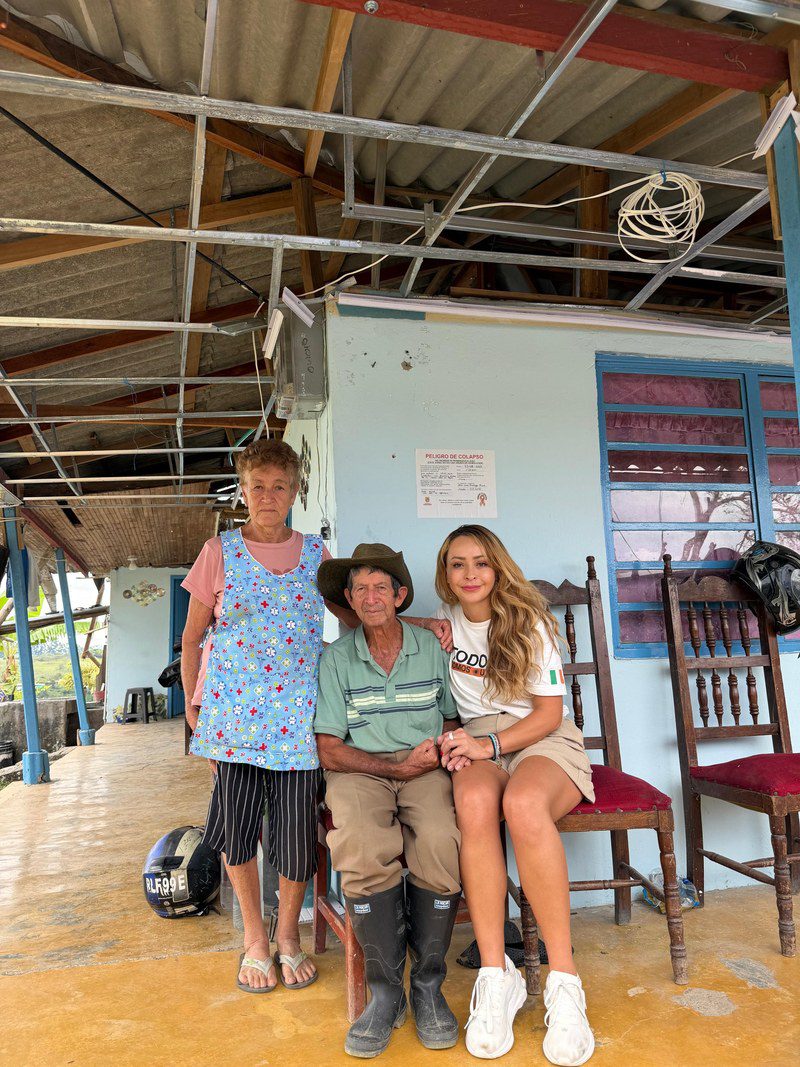
- Mónica Gil Ryan with an elderly couple outside a rural home, where an inspection notice reads Peligro de colapso (danger of collapse). (Photo courtesy ONE Social Investment)
-
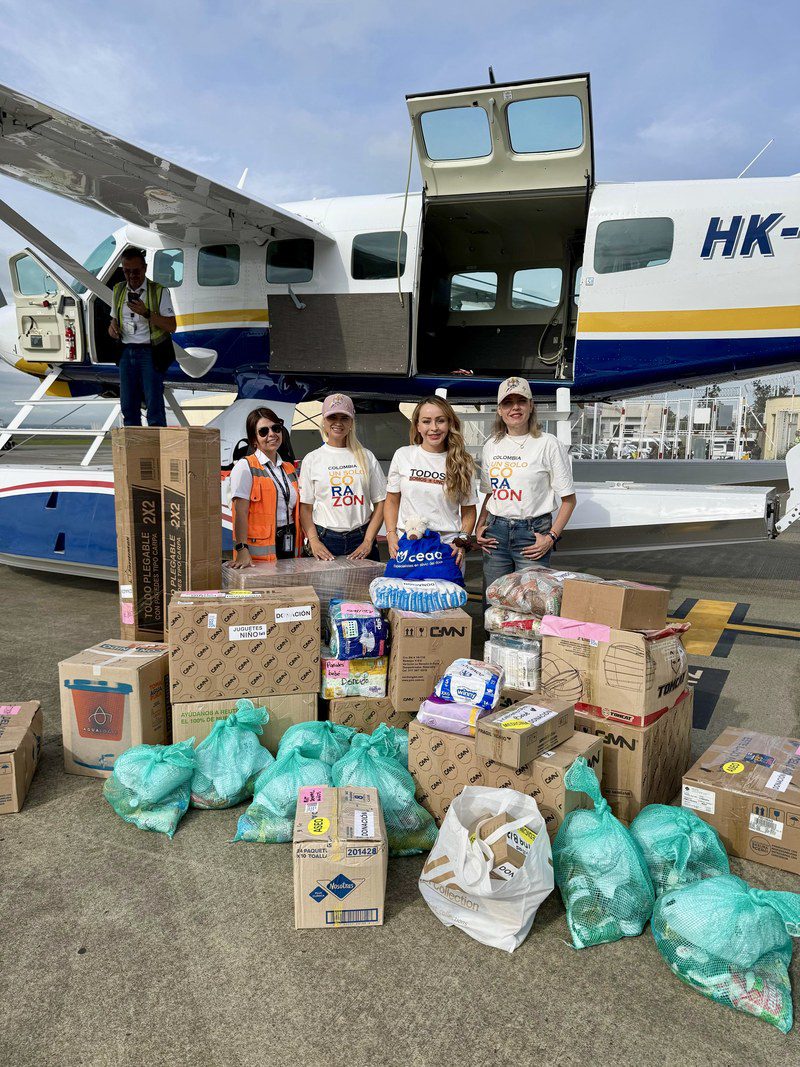
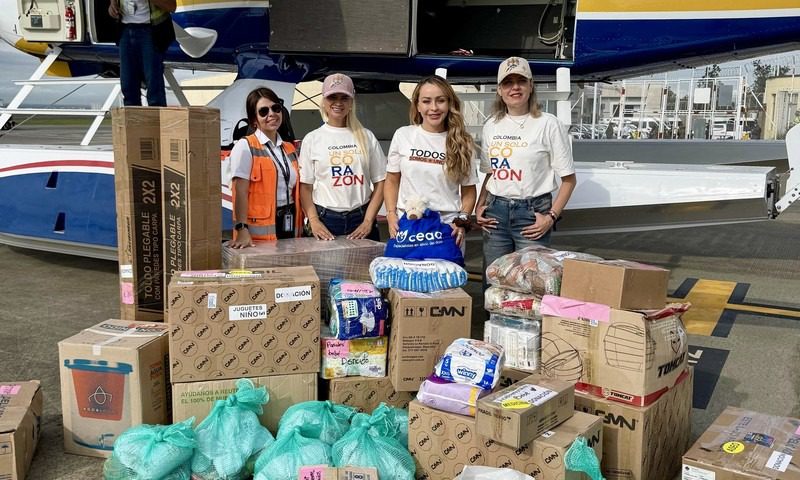
- Mónica Gil Ryan (third from left), founder and CEO of ONE Social Investment, with volunteers and donated food, diapers and supplies in front of a single-engine floatplane. (Photo courtesy ONE Social Investment)
-
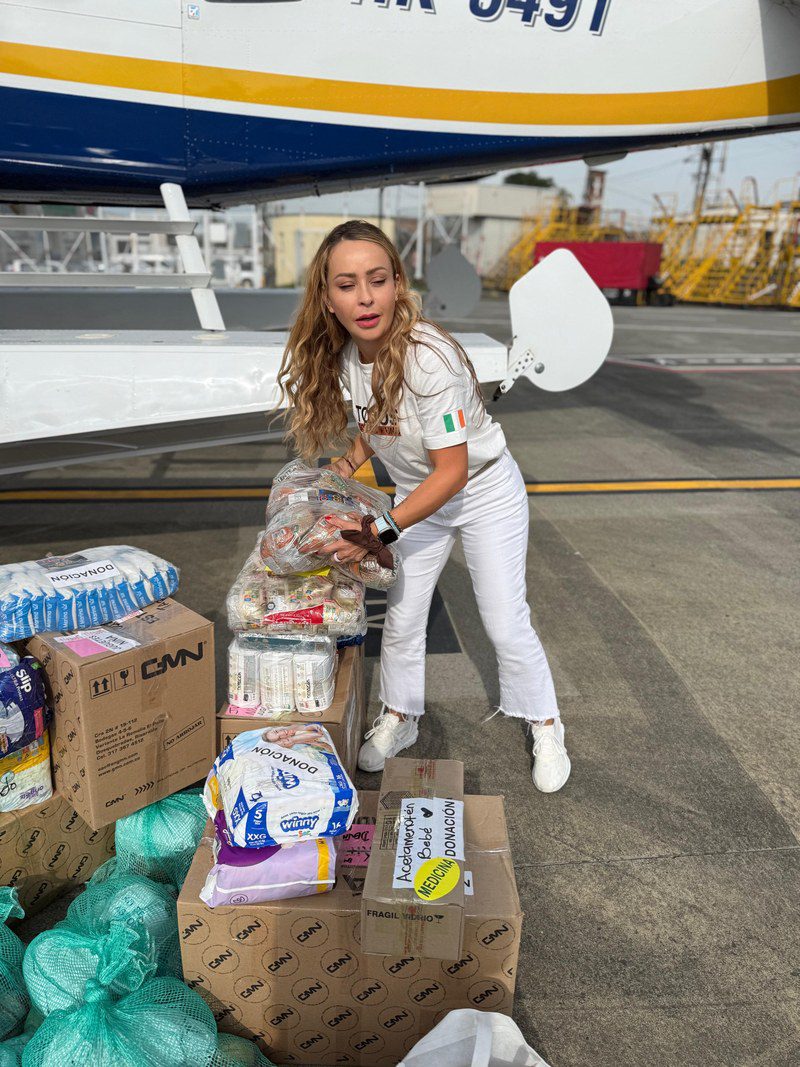
- Mónica Gil Ryan stacks donated food next to boxes marked for infant acetaminophen and diapers. (Photo courtesy ONE Social Investment)
-
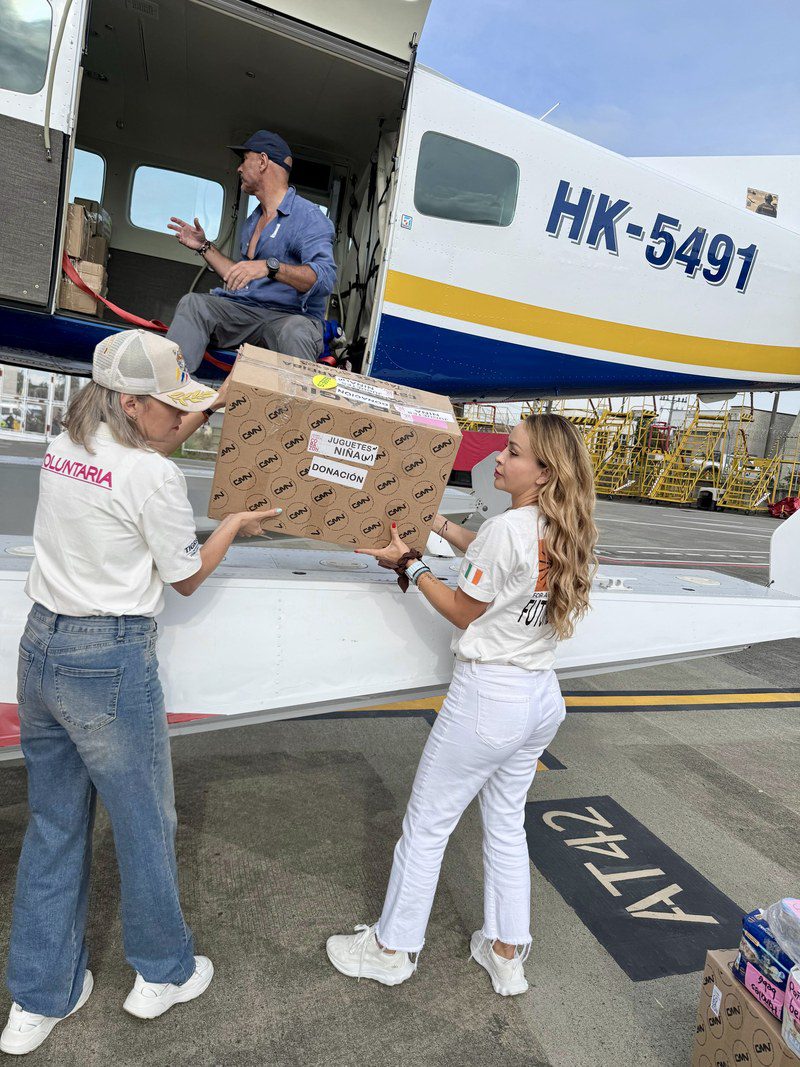
- A volunteer and Mónica Gil Ryan (right) hand a box of donated toys to a man inside the cargo door of aircraft HK-5491. (Photo courtesy ONE Social Investment)
-
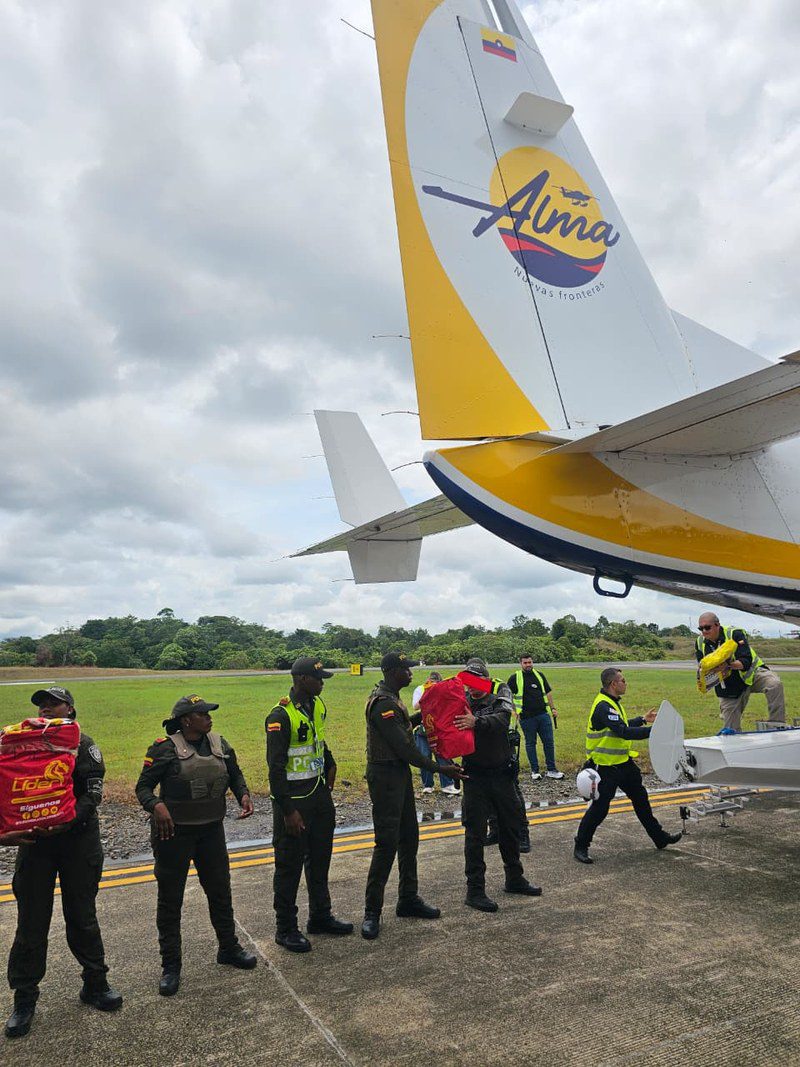
- Uniformed officers pass bags of donated supplies in a line beside an Alma Air aircraft. (Photo courtesy ONE Social Investment)
-
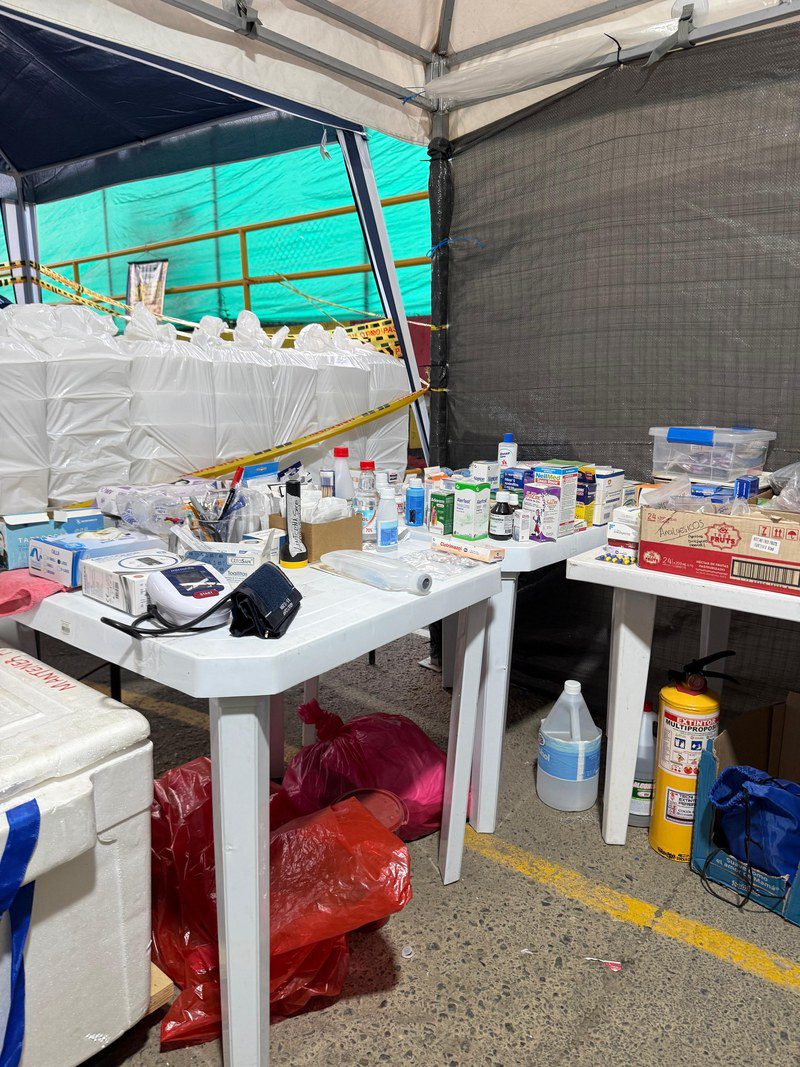
- Medicines, a blood pressure monitor and first-aid supplies at a relief tent. (Photo courtesy ONE Social Investment)
-
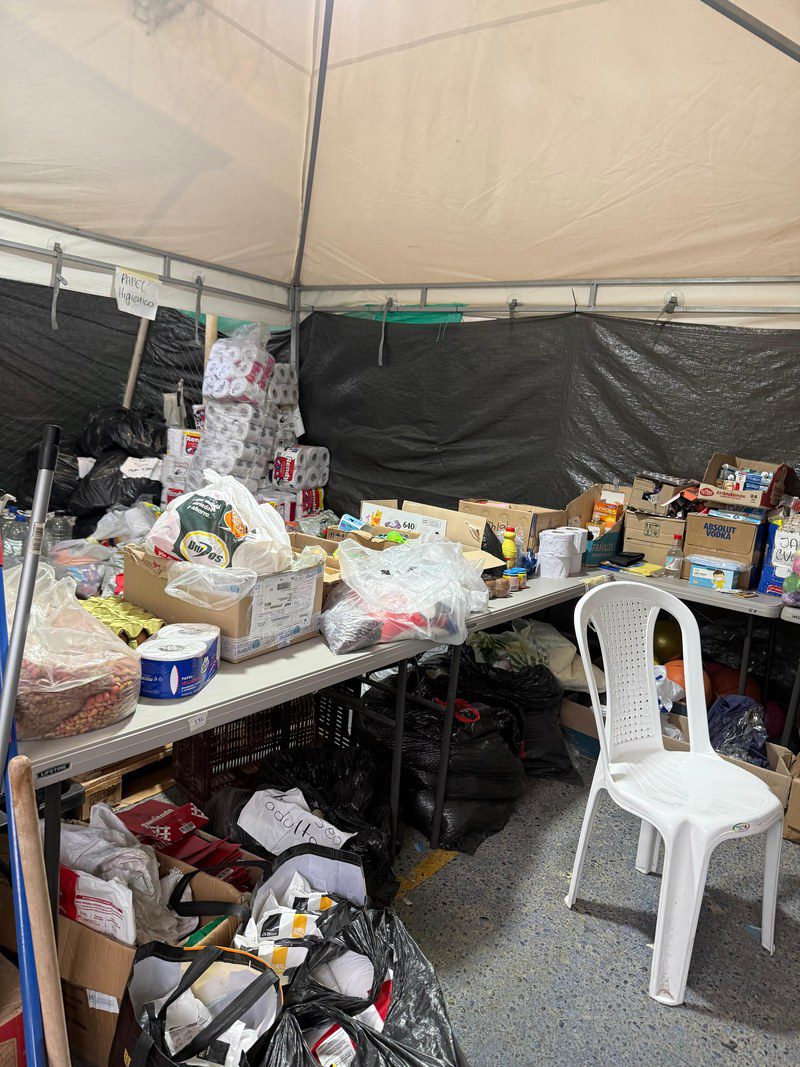
- Donated toilet paper, food, toiletries and clothing are sorted at a collection tent. (Photo courtesy ONE Social Investment)
-
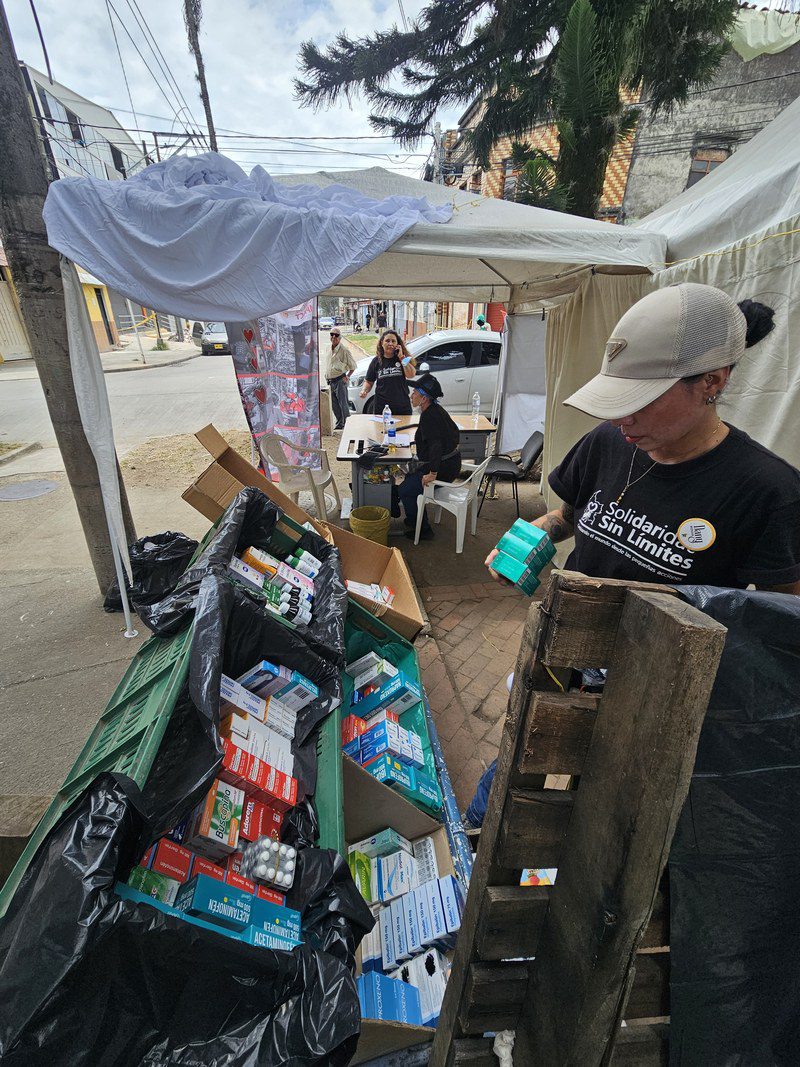
- A volunteer wearing a Solidaridad Sin Límites shirt sorts donated medicines at a street-side aid station. (Photo courtesy ONE Social Investment)
-
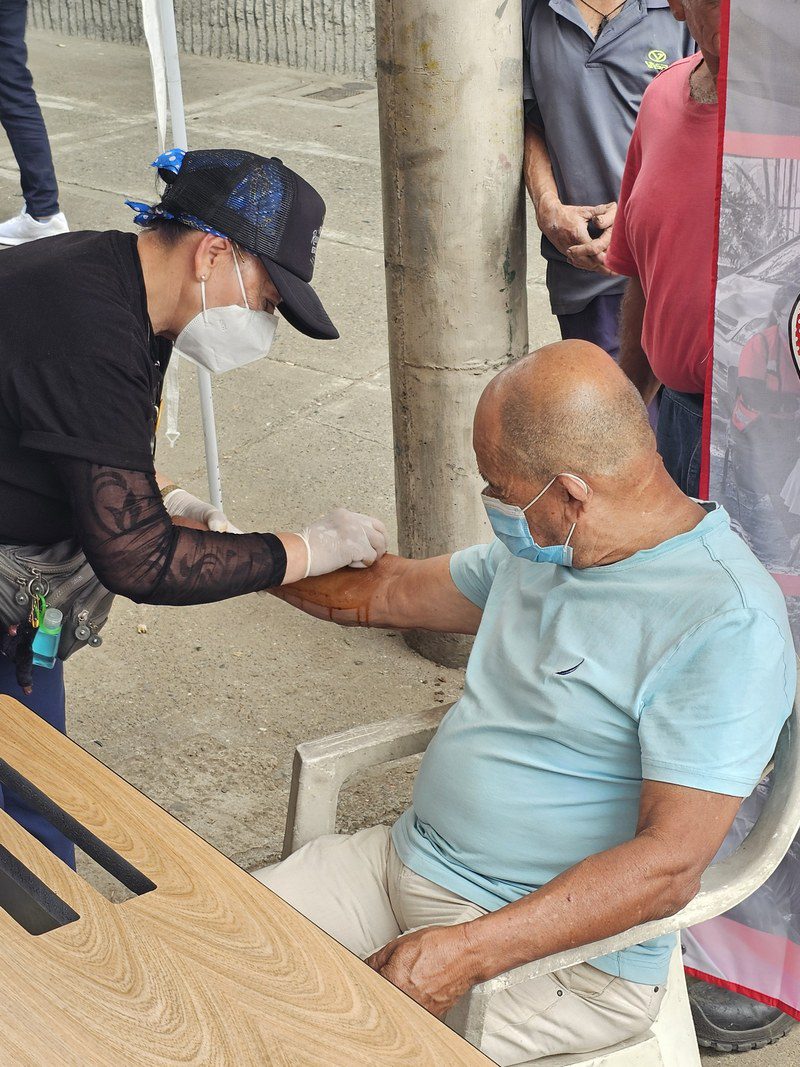
- A volunteer cleans and treats an older man’s arm at an outdoor aid station. (Photo courtesy ONE Social Investment)
-
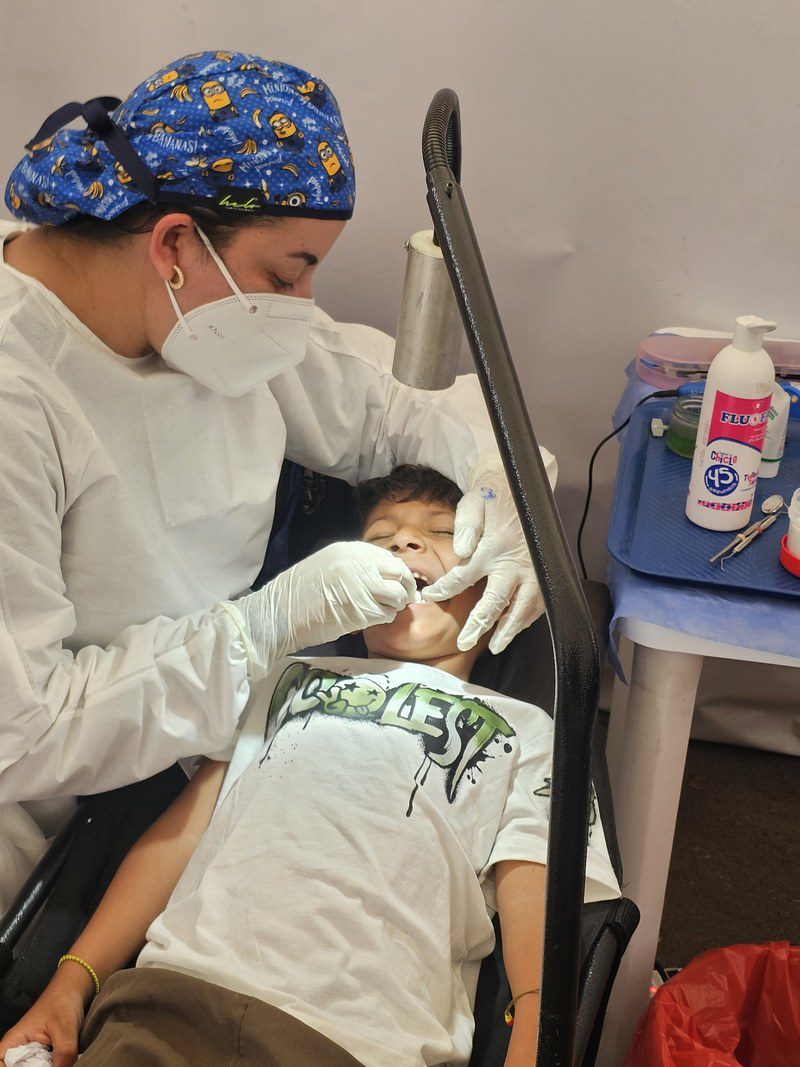
- A dentist examines a child at a temporary clinic. (Photo courtesy ONE Social Investment)
-
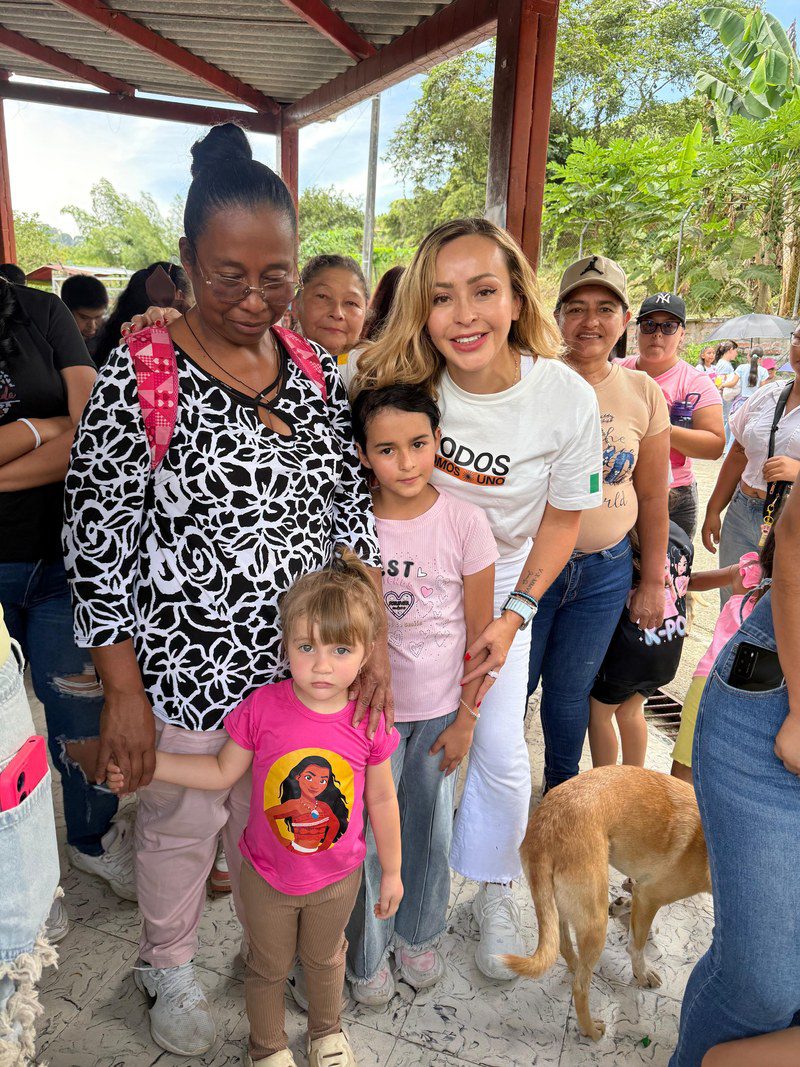
- Mónica Gil Ryan meets with families during a supply distribution in an affected community. (Photo courtesy ONE Social Investment)
-
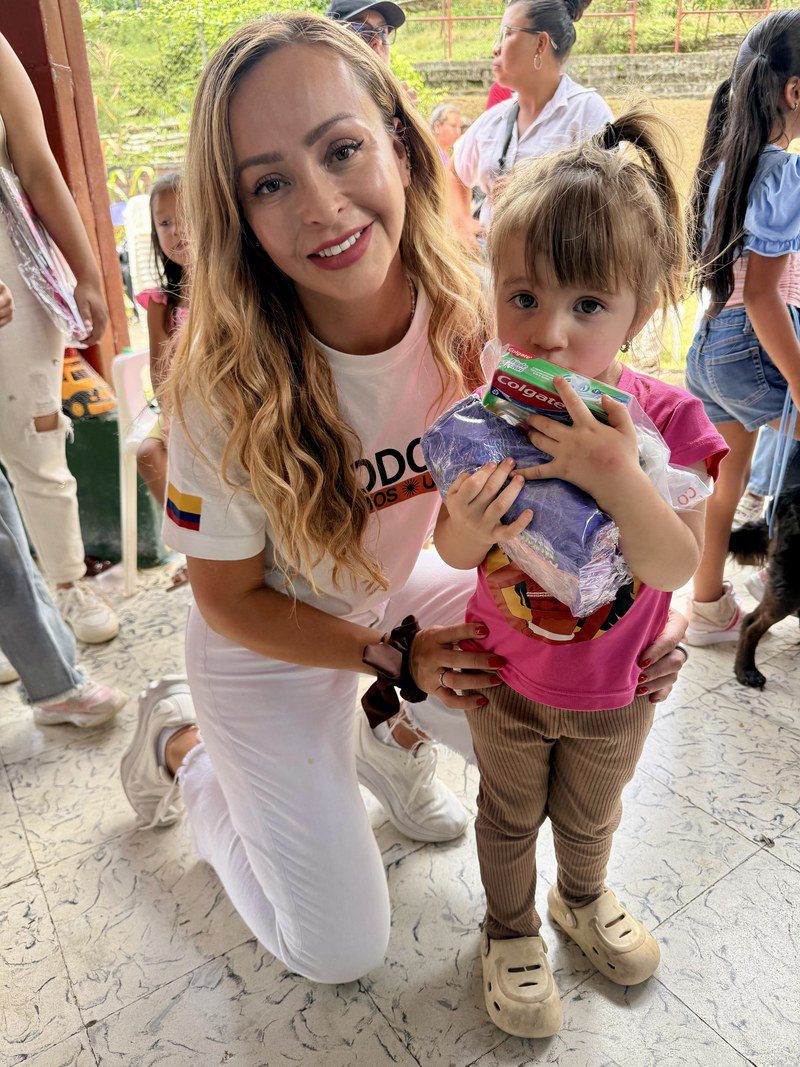
- Mónica Gil Ryan with a child holding a hygiene kit delivered during a community distribution. (Photo courtesy ONE Social Investment)
-

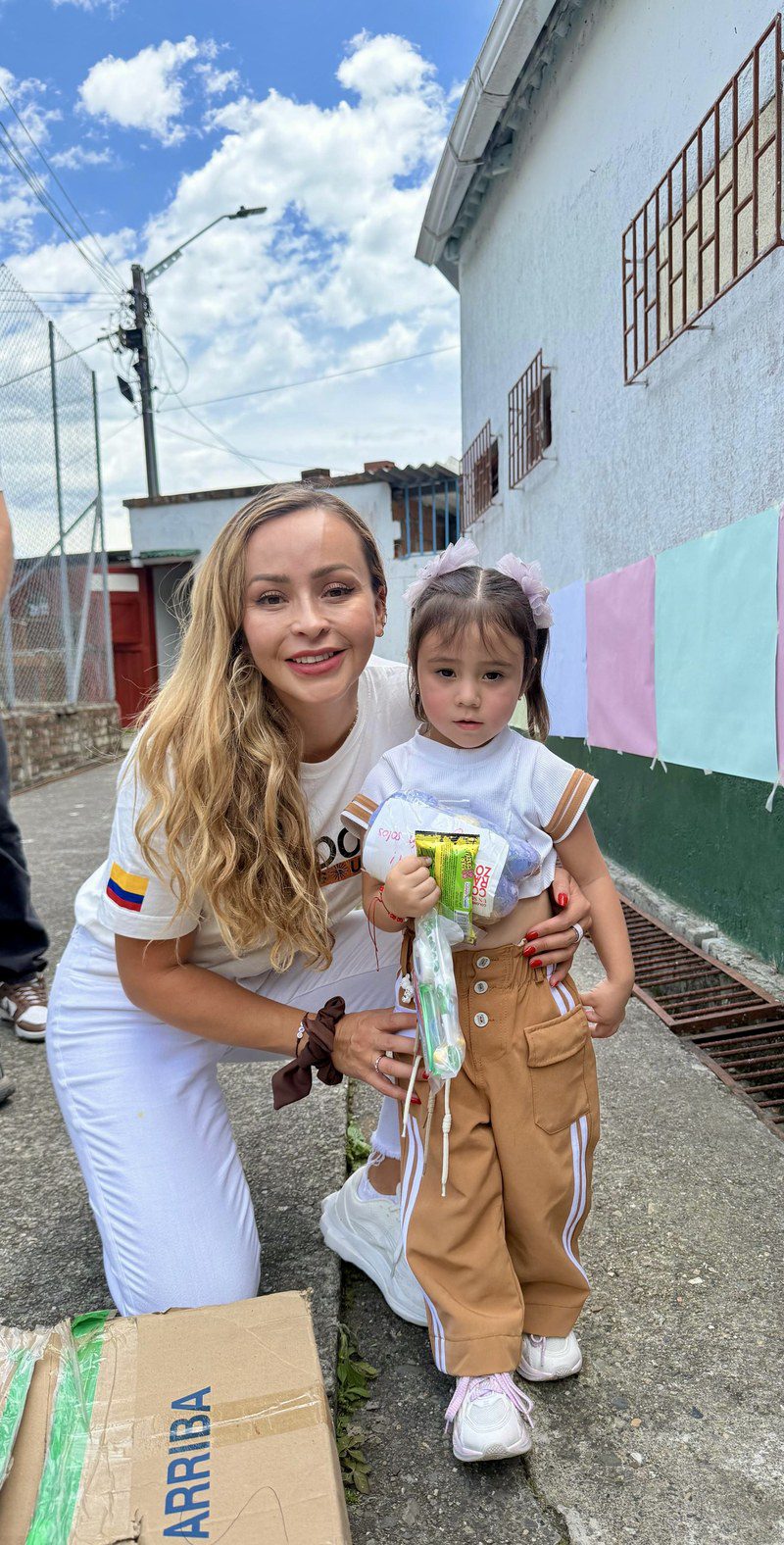
- Mónica Gil Ryan with a girl who received a donated kit with a toothbrush and snacks during a distribution. (Photo courtesy ONE Social Investment)
Headline photo: Mónica Gil Ryan (third from left), founder and CEO of ONE Social Investment, with volunteers and donated supplies before a humanitarian flight for earthquake-affected communities. (Photo courtesy ONE Social Investment)