Previous Story
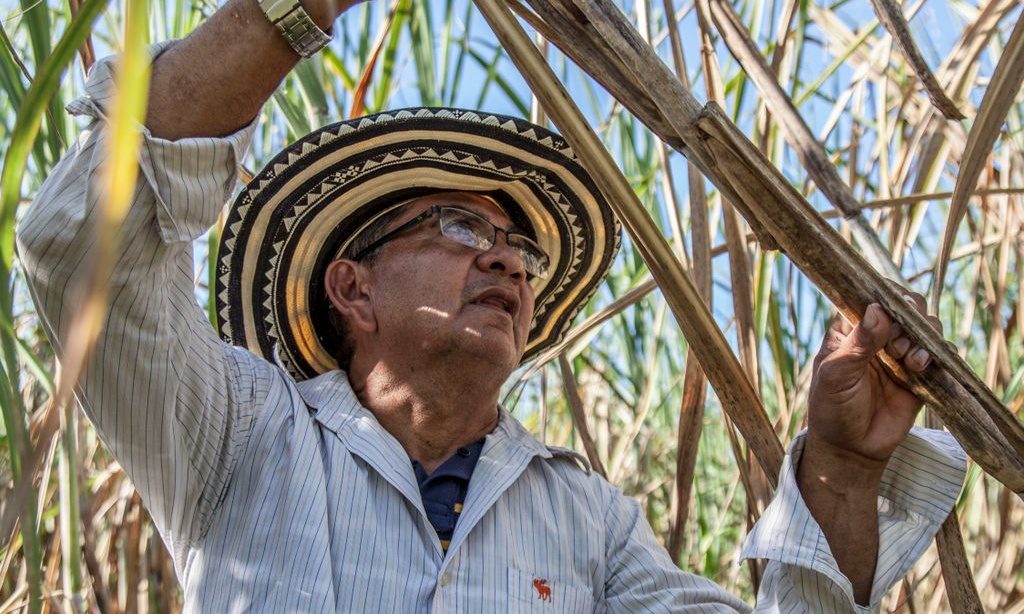
Colombia Contracts Parametric Insurance to Protect 14,402 Smallholder Farmers Ahead of El Niño
Posted On August 19, 2026
Comment: Off
Tag: agricultural insurance, agricultural risk management, Agriculture, AXA Climate, chocó, climate adaptation, climate resilience, Climate Risk, colombia, Córdoba, cundinamarca, drought insurance, el niño, Farming, finagro, food security, Guy Carpenter, IDF, insurance, Insurance Development Forum, InsuResilience Solutions Fund, ISF, La Previsora, MADR, meta, Ministry of Agriculture and Rural Development, munich re, parametric insurance, Raincoat, smallholder farmers, sucre, Swiss Re, undp
Five departments gain satellite-triggered agricultural insurance as Colombia prepares for climate risks
Colombia’s national government has contracted five parametric agricultural insurance policies covering 14,402 smallholder farmers across Sucre, Córdoba, Cundinamarca, Meta and Chocó, with protection extending to as many as 41,600 people in farming households. The policies provide up to $20.14 million in coverage against drought and excess rainfall as Colombia prepares for the anticipated effects of El Niño in the second half of 2026.
The policies took effect August 1, 2026, giving participating departments a financial mechanism designed to respond more quickly when severe weather thresholds are reached.
“Preparing for El Niño means acting before disasters strike. Through this collaboration between the national government, the five participating departments and international partners, we are providing smallholder farmers with the financial protection they need to manage climate risks and protect their livelihoods.” – Lucy Inés García Montes, Governor of Sucre
The initiative is led by the Ministry of Agriculture and Rural Development (MADR) and FINAGRO, in coordination with the governments of the five participating departments.
The program was delivered through the Tripartite Agreement Programme, a public-private partnership involving the Insurance Development Forum (IDF), the United Nations Development Programme (UNDP) and Germany’s Federal Ministry for Economic Cooperation and Development (BMZ), with financing channeled through the InsuResilience Solutions Fund (ISF).
How parametric insurance works
Unlike conventional agricultural insurance, which generally requires an assessment of physical losses before a claim can be paid, the policies use a satellite-derived Water Balance Index monitored at the municipal level.
The index compares current conditions with historical data to identify periods of severe drought or excess rainfall. When predetermined thresholds are exceeded, payments are triggered automatically, potentially allowing affected farmers to receive financial support without waiting for individual loss assessments.
The product was co-designed by MADR with an IDF-member consortium comprising Guy Carpenter, Swiss Re, AXA Climate, Munich Re, insurtech company Raincoat and Colombian insurer La Previsora.
The consortium members and ISF co-financed the initiative, while the first-year premium was jointly funded by the Colombian government and ISF.
First departmental use of parametric insurance
The program represents the first use of parametric insurance by departmental governments in Colombia as a tool for agricultural risk management, according to the organizations involved.
For participating departments, the coverage is intended to provide a source of rapid financing following severe climate events while reducing reliance on emergency public funds. The initiative is also designed to establish the technical, legal and financial foundations for expanding parametric agricultural insurance to additional departments.
José Fernando Sánchez, senior vice president of Guy Carpenter Colombia and an IDF member, said the consortium’s participation demonstrated the potential of public-private collaboration to protect livelihoods and strengthen Colombia’s insurance market.
Dr. Annette Detken, head of the InsuResilience Solutions Fund, said climate-risk insurance can help smallholder farmers and rural communities recover more quickly from drought and excess rainfall.
The UNDP worked with MADR and FINAGRO to integrate the insurance policies into Colombia’s broader agricultural risk-management framework. Its work included supporting product development and strengthening the institutional capacity of departmental governments to adopt parametric insurance.
The program comes as Colombia seeks to strengthen financial tools for managing agricultural exposure to increasingly volatile weather conditions. By using predefined climate indicators rather than conventional claims assessments, parametric coverage is designed to provide liquidity soon after a qualifying event and help farmers maintain their livelihoods and productive capacity.
Building a model for climate-risk financing
The five policies cover farmers in departments with different agricultural profiles and climate exposures, creating a multi-region test of how satellite-based insurance can operate within Colombia’s decentralized agricultural risk-management system.
The initiative’s backers say the experience could provide a foundation for scaling parametric insurance to other parts of the country, while building local government capacity to identify, finance and manage climate risks.
For smallholder farmers, the immediate benefit is financial protection against weather events that can damage crops and undermine household income. For governments and insurers, the program offers a way to shift part of the financial burden of climate-related agricultural losses away from emergency response and toward pre-arranged risk financing.
The Insurance Development Forum is a public-private partnership co-chaired by UNDP and the World Bank Group that brings insurance expertise together with public policy and development priorities to strengthen resilience to disasters.
Headline photo by Frank Meriño via Pexels)