Previous Story
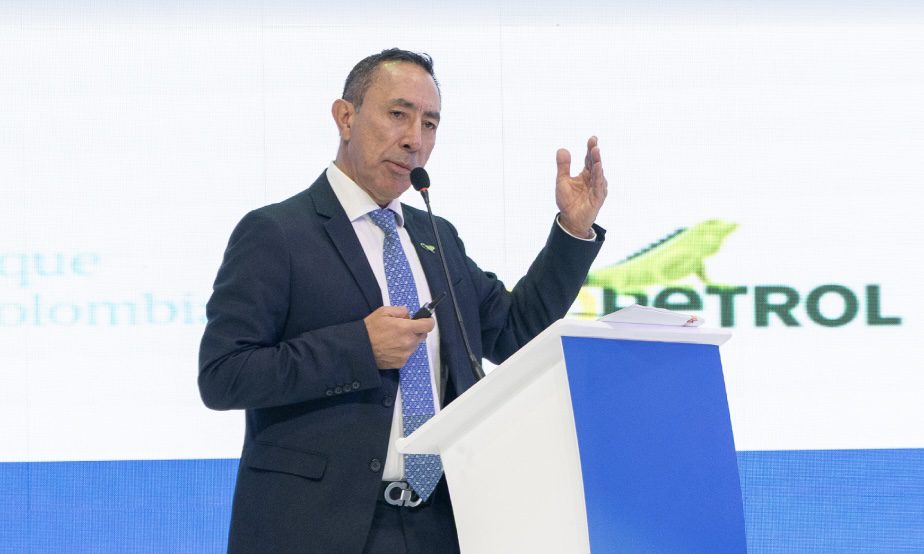
Ecopetrol President Ricardo Roa Charged Over Alleged Campaign Spending Violations in Petro’s Presidential Campaign
Posted On May 18, 2026
Comment: Off
Roa had already been administratively sanctioned by Colombia’s electoral authority over campaign spending violations, with the case now advancing in the Attorney General’s Office
Ricardo Roa Barragán, president of Colombia’s state-owned oil and energy company Ecopetrol, has been formally charged by the Attorney General’s Office (FGN) over his alleged responsibility in a case involving violations of campaign spending limits tied to President Gustavo Petro’s 2022 presidential campaign, which Roa managed.
The charging hearing took place Monday, May 11, during which Roa pleaded not guilty. The case will continue through the investigative stage, and no conviction has been issued against him.
This marks the second criminal case facing the executive. On March 11, 2026, prosecutors also charged Roa with alleged influence peddling involving a public official. Both investigations remain ongoing.
The latest charges come weeks after Ecopetrol’s board authorized Roa to take vacation leave followed by unpaid leave through June 28, 2026, after Colombia’s presidential elections conclude.
The decision means Roa would return to the company only to participate in the transition process with the team designated by Colombia’s next president, who will take office on August 7, 2026.
Under Articles 396A and 396B of Colombia’s Criminal Law, individuals found responsible for receiving, administering or allowing prohibited campaign funds may face prison sentences ranging from four to eight years, in addition to fines and disqualification from holding public office if convicted.
Roa, however, retains the presumption of innocence while the judicial process continues.
Investigation into campaign financing
The case stems from the 2022 “Petro Presidente” campaign, which Roa Barragán managed. The matter had already resulted in administrative sanctions from Colombia’s National Electoral Council (CNE), which concluded that the campaign exceeded legal financing limits.
The Attorney General’s Office also said it identified alleged inconsistencies in the campaign’s financial reporting, claiming that first-round expenses were reported during the second round and vice versa.
As a result of that administrative investigation, the CNE referred the case to the Attorney General’s Office, which is responsible for conducting criminal investigations.
According to a statement from prosecutors, collected evidence suggests that campaign spending limits “were exceeded by $1.388 billion COP (around $370,000 USD) during the first presidential round and by $276 million COP ($73,000 USD) during the runoff.”
Prosecutors said the allegedly unreported or improperly reported expenses were linked to “hotel press conferences, breakfasts, loans, transportation, logistics, food services, financing for campaign-closing events, advertising materials and union contributions.
The investigation formally began in 2025 after the CNE determined there were possible irregularities involving campaign spending caps.
Petro defends Roa
President Gustavo Petro again defended Roa and questioned the basis of the judicial investigation.
“The Attorney General’s Office is repeating the same thing as the compromised CNE: that expenses incurred after the legal campaign period ended, such as the costs parties incur for election monitors to protect votes (…) are campaign expenses. Their so-called overspending is not overspending,” Petro wrote on X.
The president argued that several of the questioned expenditures took place after election day, when, according to his interpretation, the campaign had already formally concluded.