Previous Story
Colombia’s Tourism Industry Associations Ratify Sector Metrics That Go Beyond Visitor Volume
Posted On September 4, 2026
Comment: Off
Tag: 2026 Colombia earthquake, abelardo de la espriella, aerocivil, anato, Asocapitales, Asociación Colombiana de Agencias de Viajes y Turismo, barranquilla, caldas, cali, chocó, colombia, earthquake, Economic Development, eje cafetero, Fondo Nacional de Turismo, Fontur, formal employment, gastronomy, Julián Franco Restrepo, María Isabel Campo, Matecaña International Airport, Mauricio Gómez Amin, MinCIT, Ministerio de Comercio Industria y Turismo, Ministry of Commerce Industry and Tourism, pereira, Quindío, risaralda, SENA, sustainability, Tourism, tourism guilds, tourism infrastructure, tourism policy, tourist security, travel agencies, ungrd, valle del cauca, visitor spending
Fontur to prioritize quake-hit regions as guilds back new metrics
Colombia’s tourism trade associations have ratified that the sector’s impact will be measured on indicators beyond visitor volume, following a meeting between Vice Minister of Tourism Julián Franco Restrepo and representatives of the industry guilds, the Ministerio de Comercio, Industria y Turismo (Ministry of Commerce, Industry and Tourism, MinCIT) announced on September 1, 2026.
According to the ministry, the guilds ratified that the sector’s performance will be judged on effective visitor spending, socioeconomic opportunities in the regions, sustainability, the positioning of Colombian gastronomy, and tourist security, rather than on visitor volume alone. Among the strategic themes discussed, the ministry highlighted the goal of establishing tourism as a cross-cutting policy for regional growth and formal job creation.
The meeting was convened on the instruction of Minister of Commerce, Industry and Tourism Mauricio Gómez Amín, a Barranquilla attorney and former senator who, according to El Tiempo, was named to the portfolio in July by then President-elect Abelardo de la Espriella. The ministry described the session as a first-hand review of what is working in each segment of the industry, the priority needs identified, and the route the government intends to follow for the sector. It did not publish a list of the associations that attended.
“We want tourism to be the great engine of economic and social development for the country. This listening exercise allows us to chart a clear, shared route toward building a stronger, more coordinated industry with a real vision of the future,” said Franco Restrepo.
The Fondo Nacional de Turismo (National Tourism Fund, Fontur), the ministry’s financing and promotion arm, committed at the meeting to put its technical, promotional, and infrastructure-investment capacity behind the priorities the guilds identified. The ministry said Fontur will prioritize the recovery of the departments affected by the August 10 earthquake while continuing development projects and investment in the rest of the country. The ministry did not announce specific measures, funding amounts, or a timeline.
The magnitude 7.4 earthquake, with its epicenter near San José del Palmar in Chocó, struck western and southwestern Colombia on August 10, 2026, and initial assessments reported 472 municipalities affected. According to an August 18 report from the Unidad Nacional para la Gestión del Riesgo de Desastres (National Unit for Disaster Risk Management, UNGRD) cited by Infobae Colombia, the earthquake left 304 dead, 4,548 injured, 426 missing, and 292,043 people affected, figures the UNGRD said could change as field verification continued. Infobae, citing the Asociación Colombiana de Ciudades Capitales (Colombian Association of Capital Cities, Asocapitales), reported that Cali and Pereira recorded the heaviest loss of life and infrastructure collapses among the capital cities.
Pereira’s Matecaña International Airport, which Infobae reported was operating under restrictions at the time, has since reopened gradually. According to MinCIT, the airport received approval from the Aeronáutica Civil (Civil Aeronautics, Aerocivil) on August 22 and was handling an average of 18 flights a day with four airlines as of August 29, with full capacity expected within an estimated two months.
In an interview with Valora Analitik published August 28, María Isabel Campo, general manager of Fontur, said the fund will concentrate over the coming months on reconstruction in five departments hit by the earthquake: Quindío, Risaralda, Valle del Cauca, Chocó, and Caldas. She said Fontur has an emergency line but that it was not set up in anticipation of a tragedy like the earthquake, and that the fund is reviewing its competitiveness and infrastructure lines to finance the reconstruction of damaged tourism infrastructure. Campo also said the fund would work with the Servicio Nacional de Aprendizaje (National Learning Service, SENA) and the private sector on tourism training, and would help smaller municipalities structure projects.
At least one guild has already put specific requests to the government. At the 30th National Congress of Travel and Tourism Agencies in Barranquilla, which closed on August 28, the Asociación Colombiana de Agencias de Viajes y Turismo (Colombian Association of Travel and Tourism Agencies, Anato) presented proposals based on an assessment of its member agencies and other operators in Chocó, Valle del Cauca, Risaralda, Quindío, and Caldas. According to El Espectador, the proposals include subsidies to preserve jobs, a reduction of the value-added tax on air tickets, lodging, and tour packages, special credit lines, tax relief, and more flexible commercial penalties.
Speaking at the same congress on August 27, Franco Restrepo outlined what he called four engines for the sector: confidence, covering security, confidence in service, fair pricing, and institutional trust; experiences, built around tourism corridors and product design; a tourism intelligence center to support data-based decisions; and scale in both infrastructure and promotion. According to El País of Cali, the vice minister told the congress that the main indicators for travel agencies fell in the first half of 2026, and that the country’s roughly 18,000 agencies represent 15% of registered tourism providers and more than 30,000 jobs.
Franco Restrepo served for nine years as secretary of tourism for the department of Valle del Cauca before his appointment to the vice ministry, according to El País. The ministry said the joint work among MinCIT, Fontur, and the guilds is meant to lead to concrete actions to strengthen the sector’s development.
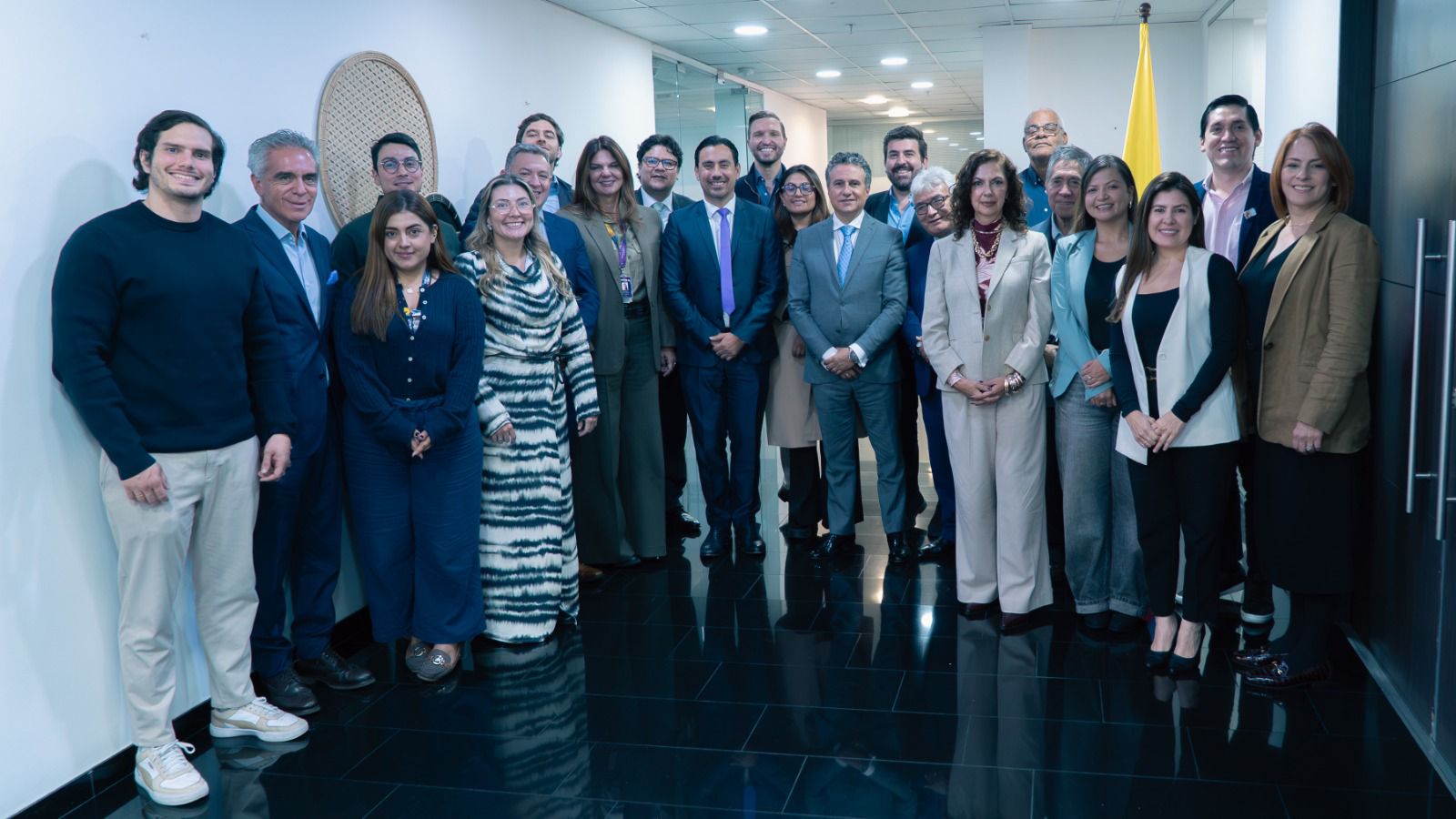
Headline photo: Tourism guild representatives and MinCIT officials after the September 1, 2026 meeting. (Photo courtesy MinCIT / Lincoln Acevedo)