Previous Story
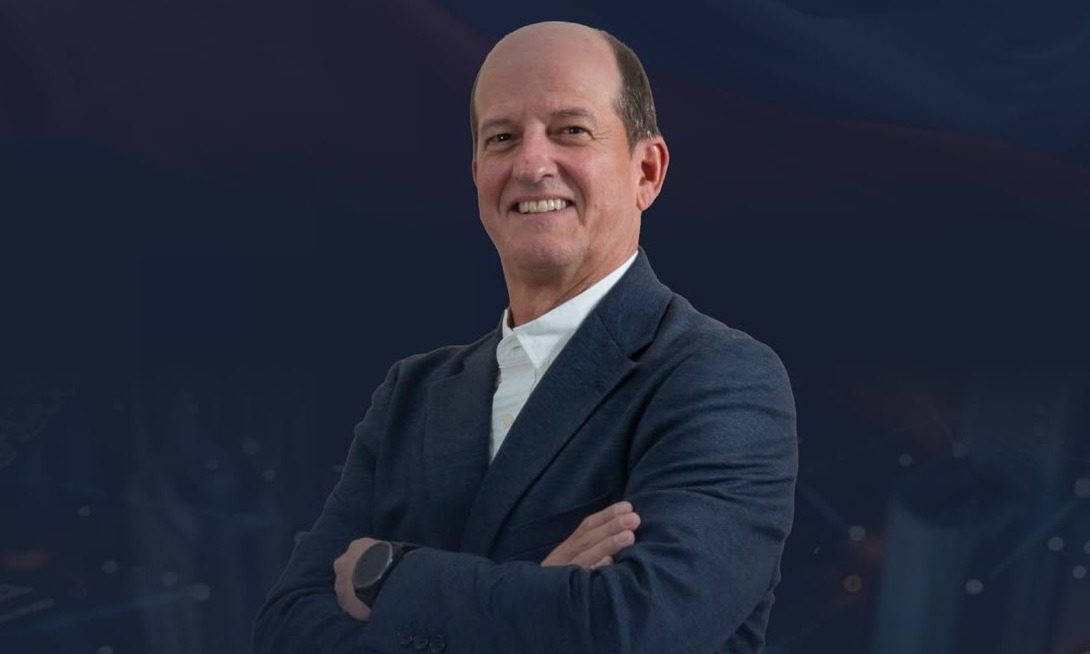
Fernando Isaza Takes Over Colombia’s National Guarantee Fund With a Push to Widen MSME Credit
Posted On October 21, 2026
Comment: 0
Tag: AAA(col), abelardo de la espriella, access to credit, Andrés Ricardo Quevedo Caro, atlantico, Bancoldex, barranquilla, Barranquilla Chamber of Commerce, Cámara de Comercio de Barranquilla, colombia, credit guarantees, Decree 1335 of 2026, Decree 1481 of 2026, Fernando Isaza, Fernando Isaza Gutiérrez de Piñeres, Financial Inclusion, fitch ratings, fng, fondo nacional de garantias, formal credit, Gota a Gota, government appointments, grupo bicentenario, Gustavo Petro, Industrias IGP, informal lending, Javier Cuéllar, JG Garcés, K-Yena, Látex de Colombia, loan guarantees, Manuel Fernández Ariza, Mauricio Gómez Amin, miguel gomez martinez, MinCIT, minhacienda, Ministerio de Comercio Industria y Turismo, Ministerio de Hacienda y Crédito Público, Ministry of Commerce Industry and Tourism, Ministry of Finance and Public Credit, mipymes, MSMEs, National Guarantee Fund, pdet, SME financing, SMEs, state-owned financial entities, Transmetro, Universidad del Norte, Vivienda de Interés Social, zomac
New FNG chief inherits a fund behind $23.5 trillion COP in loans
Fernando Isaza Gutiérrez de Piñeres, an industrial engineer who managed Barranquilla’s Transmetro mass transit system from 2020 to 2024, is the new president of the Fondo Nacional de Garantías (FNG, National Guarantee Fund). The state-backed entity guarantees loans so that businesses of all sizes, particularly micro, small and medium-sized enterprises (MSMEs), as well as independent workers and households, can borrow from banks and other formal lenders. The Ministerio de Comercio, Industria y Turismo (MinCIT, Ministry of Commerce, Industry and Tourism) outlined his priorities in a statement on October 14, 2026.
The appointment took effect two weeks earlier. The government formalized it through Decree 1481 of October 1, 2026, signed by President Abelardo de la Espriella and Finance Minister Miguel Gómez Martínez after the government published Isaza’s résumé as part of the procedure required before he could take the post, Portafolio reported. Gómez Martínez swore him in on October 2, according to La República. The FNG is attached to the Ministerio de Hacienda y Crédito Público (MinHacienda, Ministry of Finance and Public Credit), El Espectador reported, and is part of Grupo Bicentenario, according to Valora Analitik. Grupo Bicentenario, created by Decree-Law 2111 of 2019, is the state-owned financial holding company that groups 13 public financial entities, according to its website.
The decree also ended the interim assignment of Andrés Ricardo Quevedo Caro, Portafolio reported. Quevedo, the general vice minister of finance, had been placed in charge of the fund through Decree 1335 of 2026, La República reported on September 2, 2026. He had served on the FNG’s board of directors in 2016, according to the newspaper. In February 2026, when the fund released its 2025 results, it was being led on a provisional basis by Javier Cuéllar, La República reported.
MinCIT, headed by Mauricio Gómez Amín, framed Isaza’s arrival as part of President de la Espriella’s agenda to boost economic growth, strengthen the country’s business base and create jobs. The ministry described financial guarantees as a key tool for entrepreneurs and business owners to obtain the resources they need to sustain their businesses, invest and grow, and said coordination among government institutions to make financing easier for MSMEs supports its work on productivity and competitiveness. The statement came a day after MinCIT announced that Manuel Fernández Ariza, the former president of the Cámara de Comercio de Barranquilla (Barranquilla Chamber of Commerce) and, like Isaza, a former manager of Transmetro, had taken office as president of Bancóldex, the state-owned business development bank.
From Transit to Credit Guarantees
Isaza earned his industrial engineering degree and a specialization in financial administration at Universidad del Norte in Barranquilla, according to MinCIT. From January 2016 to December 2019, he was Barranquilla’s district secretary of transit and road safety, and during that period he chaired the Comité Técnico de Autoridades de Tránsito, Transporte y Movilidad (Technical Committee of Transit, Transportation and Mobility Authorities), a body that discussed national road safety strategies, Portafolio reported. From February 2020 to January 2024, he was manager of Transmetro, the mass transit system serving Barranquilla and its metropolitan area. El Espectador reported that he had worked as an independent business consultant since 2024.
In the private sector, his résumé lists about 15 years as alternate manager of Industrias IGP Ltda., according to Portafolio, which also reported that he was a founding partner and president of Látex de Colombia, and manager, legal representative and stockbroker at JG Garcés. MinCIT said he has served as a principal member of the board of directors of K-Yena.
Priorities at the Fund
MinCIT said Isaza’s main challenges include strengthening guarantee support for MSMEs, expanding the FNG’s presence in the regions and making formal financing easier to obtain for people and businesses that face barriers in the financial system. The ministry said the aim is to reduce dependence on informal lending, including the practice known as gota a gota (drip by drip).
Isaza said he would work to carry out President de la Espriella’s vision of turning the FNG into a facilitator of credit for people who start businesses and want to grow, according to MinCIT. In a statement reported by La República when he was sworn in, he said: “We want a fund that is closer to people and companies in the regions, that helps open the doors of formal credit to those who produce and seek to be more productive.”
“Our challenge is for guarantees to translate into more opportunities for Colombians.” — Fernando Isaza Gutiérrez de Piñeres, president of the Fondo Nacional de Garantías
The Fund He Inherits
The FNG does not lend money directly. It guarantees part of the obligations that borrowers take on with banks and other financial institutions, which reduces the lenders’ risk on those loans, Portafolio reported. Its clients include independent workers, companies of all sizes and households, including buyers of vivienda de interés social (social-interest housing). In December 2023, Finance Colombia reported that Fitch Ratings had affirmed the fund’s long-term national rating at AAA(col) with a stable outlook, citing the government’s formal commitment to provide equity support if the fund’s losses exceed projections.
The FNG backed 953,787 loans worth $23.5 trillion COP (about $7.3 billion USD at current exchange rates) in 2025, above its target of 750,000 loans, and reported preliminary profits of more than $216 billion COP (about $68 million USD), according to results published in February 2026 and reported by Valora Analitik and Portafolio. Commerce accounted for the largest share of guaranteed lending, at $8.83 trillion COP (about $2.8 billion USD), while agriculture and livestock accounted for 123,084 guaranteed loans worth $1.52 trillion COP (about $475 million USD).
The fund said it operated in all 32 departments and in more than 1,100 municipalities in 2025, with an emphasis on areas covered by the Programas de Desarrollo con Enfoque Territorial (PDET, Development Programs with a Territorial Focus), the Zonas Más Afectadas por el Conflicto Armado (Zomac, Areas Most Affected by the Armed Conflict), and municipalities in categories 5 and 6, the two smallest tiers in Colombia’s municipal classification system. From August 7, 2022, to December 31, 2025, a period covering most of former President Gustavo Petro’s term, the FNG backed 2.7 million loans worth more than $66.9 trillion COP (about $21 billion USD), reaching 99% of the country’s municipalities, according to Valora Analitik.
Headline photo: Fondo Nacional de Garantías President Fernando Isaza Gutiérrez de Piñeres. (Photo courtesy MinCIT)