Previous Story
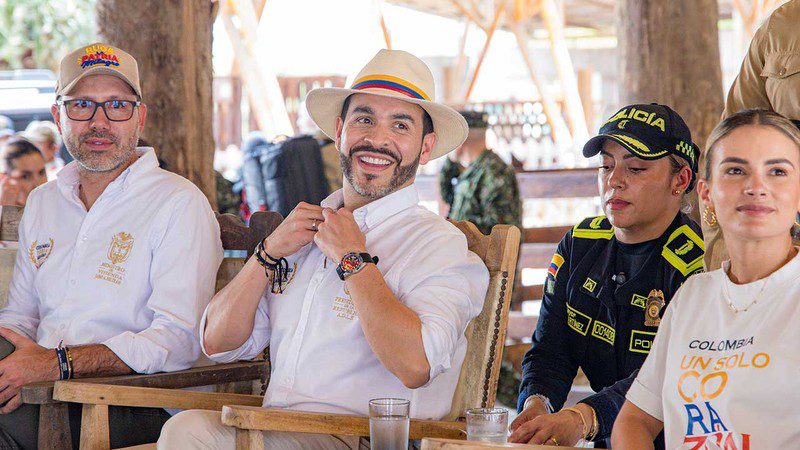
Colombia Commits More Than $3 Billion COP to Quindío’s Earthquake-Hit Tourism Sector
Posted On September 28, 2026
Comment: 0
Tag: 2026 Colombia earthquake, abelardo de la espriella, Agencia de Renovación del Territorio, caldas, chocó, Circasia, Coffee Cultural Landscape, coffee region Colombia, colombia, economic development Colombia, eje cafetero, Filandia, Fondo Nacional de Turismo, Fontur, foreign investment, Innpulsa Colombia, investment round, IVA, Jorge Ballén Franco, Mauricio Gómez Amin, MinCIT, Ministry of Commerce Industry and Tourism, obras por impuestos, ONU Turismo, Paisaje Cultural Cafetero, panaca, Quimbaya, Quindío, risaralda, small business grants, tourism infrastructure, tourism recovery, UN Tourism, UNESCO World Heritage, ungrd, Unidad Nacional para la Gestión del Riesgo de Desastres, valle del cauca, value-added tax
New funding targets Quindío’s earthquake-hit tourism economy
Colombia’s national government will direct more than $3 billion COP toward tourism and small-business recovery in Quindío department, President Abelardo de la Espriella announced on September 11, 2026, at the Panaca agricultural theme park in Quimbaya, a month after an earthquake damaged tourism infrastructure across the region. At the same event, de la Espriella said tourism in Colombia’s coffee region would be made state policy, according to the Presidency.
Grants for Damaged Businesses
Fontur, Colombia’s national tourism fund (Fondo Nacional de Turismo), accounts for the largest share: $2 billion COP to support the recovery of 107 tourism establishments in the municipalities of Filandia and Circasia that were damaged in the earthquake, with the funds meant to help hotels, restaurants and other tourism-chain businesses restore their operating capacity. A separate $1 billion COP from iNNpulsa Colombia, the government’s national entrepreneurship agency, will support affected micro-businesses and informal businesses; each beneficiary can receive a grant of up to $5 million COP toward recovering their productive activities.
The measures will be carried out through the Ministerio de Comercio, Industria y Turismo (Ministry of Commerce, Industry and Tourism, or MinCIT), according to the Presidency. “We are standing with Quindío with concrete actions to rebuild its productive base and protect the opportunities of thousands of families who depend on tourism,” said Mauricio Gómez Amín, the minister of commerce, industry and tourism, in a ministry statement.
“Our goal is to accelerate the recovery, open new investment opportunities and get tourism growing again with greater strength in the department.”
— Mauricio Gómez Amín, Colombia’s minister of commerce, industry and tourism
Tax Incentives and an Investment Round
The government is studying a reduction of the value-added tax, or IVA, on airfare to and from the areas hit by the earthquake. “We are reviewing the fiscal impact, but I fully intend to do it,” de la Espriella said, according to the Presidency’s transcript of his remarks.
De la Espriella also said tourism infrastructure has already been made eligible for Obras por Impuestos (“Works for Taxes”), a mechanism administered through the Agencia de Renovación del Territorio (Territorial Renewal Agency, or ART) that lets companies offset tax obligations by funding public works. “Everything that has fallen, we are going to rebuild with Obras por Impuestos,” he said, adding that the decision opens the door for domestic and foreign private companies to invest in the department. He asked Gómez Amín to organize, before the end of the year, an investment round for international and domestic investors in Quindío, with special incentives from the government, possibly hosted at Panaca.
De la Espriella asked Panaca founder Jorge Ballén Franco to serve as an unpaid adviser and said the government would use the economic-emergency decrees to review how to address some of the sector’s shortcomings, with the aim of later enacting the measures into law. The government, working with UN Tourism (ONU Turismo in Spanish), has also secured 100 scholarships to strengthen the skills of Quindío’s tourism workers.
De la Espriella urged Colombians to visit the department: “Come to Quindío, travel through its towns, enjoy its magnificent hotel offerings, eat its wonderful food in the restaurants, buy its products, visit its parks and its coffee farms, enjoy these landscapes, these trails, these mountains,” he said. “Every tourist who arrives helps a business breathe, a job survive and a family keep going.”
The Earthquake’s Toll
The earthquake struck August 10 with a magnitude of 7.4, according to El Tiempo, with an epicenter in Chocó department. The Unidad Nacional para la Gestión del Riesgo de Desastres (National Disaster Risk Management Unit, or UNGRD) reported 335 deaths, 4,516 injuries and 105 people still missing as of September 15, with 303,934 families affected in 500 municipalities across 16 departments, according to El Heraldo. Quindío is one of five departments, along with Chocó, Valle del Cauca, Risaralda and Caldas, where de la Espriella said a private firm’s preliminary estimate put combined direct physical losses at close to $30 trillion COP, according to a separate El Tiempo report. Insurers’ earthquake claims had reached $3.7 trillion COP a month after the disaster, Finance Colombia reported.
Quindío sits at the center of Colombia’s coffee-growing region, part of the Paisaje Cultural Cafetero (Coffee Cultural Landscape) that UNESCO designated a World Heritage site in 2011. “Tourism drives a large part of Quindío’s economic life,” de la Espriella said, citing the hotels, restaurants, coffee farms, parks, transport operators and artisans that depend on it.
Headline photo: President Abelardo de la Espriella at the tourism-recovery event in Quimbaya, Quindío, on September 11, 2026. (Photo courtesy Presidencia de la República)