Previous Story
Andean Community Orders Colombia and Ecuador to Dismantle Tariffs and Trade Restrictions
Posted On May 18, 2026
Comment: Off
A tariff dispute between Colombia and Ecuador escalated to 100% duties on Colombian imports after Ecuador cited a lack of cooperation on border security
The Andean Community of Nations (CAN) ordered Colombia and Ecuador to dismantle, within 10 business days, the trade restrictions and tariff measures imposed since late 2025, concluding that they violate the legal framework governing the regional bloc composed of Bolivia, Colombia, Ecuador, and Peru.
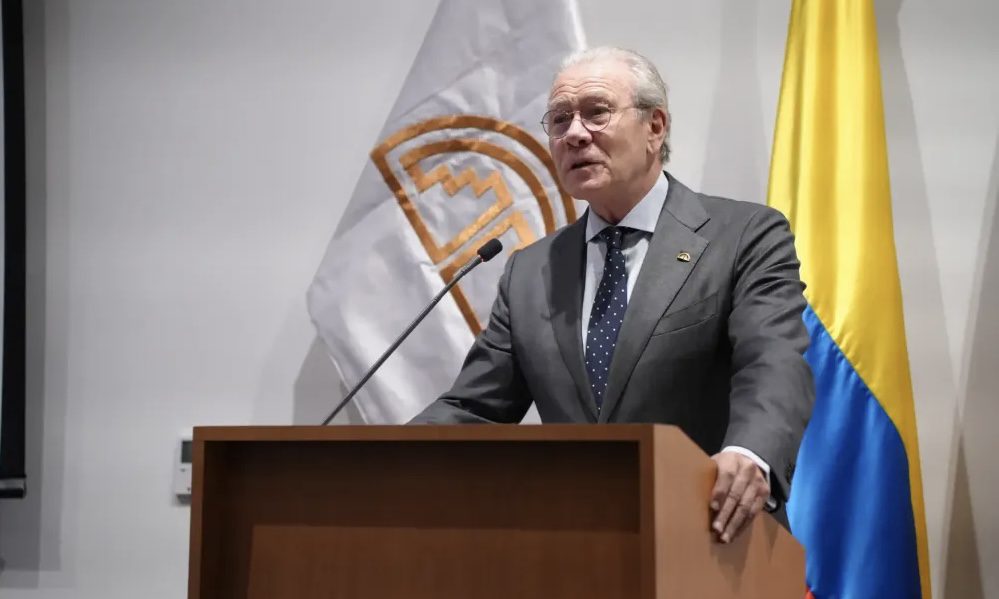
The decision was adopted through three resolutions issued May 8, 2026, by the CAN General Secretariat, led by Gonzalo Gutiérrez Reinel, following an assessment of trade disputes that emerged between the two countries amid tensions related to border security and commerce.
The organization concluded that several measures implemented by Quito and Bogotá violate the Cartagena Agreement, the founding treaty of Andean integration, which prohibits restrictions on intraregional trade among member states.
More information about the “security tariff”: Colombia and Ecuador Escalate Trade Tensions with Tariffs Raised to 100%.
Ecuador ordered to lift border restrictions and “security tariff”
The first resolution, No. 2581, ruled in favor of Colombia in a complaint related to Ecuador’s decision to limit bilateral land trade to a single border crossing. The General Secretariat classified the measure as a “restriction on Andean subregional trade” and granted Ecuador 10 business days to withdraw it.
The resolution also urged both countries to strengthen bilateral cooperation on border security matters.
“To urge the Republic of Ecuador and the Republic of Colombia to strengthen bilateral cooperation and coordination mechanisms in border control (…) through joint actions, without affecting the normal development of subregional trade,” the organization stated in Resolution 2581.
Meanwhile, Resolution 2582 ordered Ecuador to eliminate the so-called “security tariff” imposed exclusively on Colombian imports, which initially stood at 30% and later escalated to 100%.
According to CAN, the measure violates the Trade Liberalization Program established under the Cartagena Agreement and constitutes a “disguised tariff.”
The General Secretariat concluded that the so-called Customs Control Service Fee (TSCA) or “security tariff” does not qualify as a legitimate fee because it does not compensate for an individualized service to importers, but instead finances general state functions related to intelligence and strategic security.
Ecuador was given a maximum of 10 business days to dismantle the measure and formally report compliance. So far, the government of President Daniel Noboa has not issued an official response to the resolutions.
CAN also orders Colombia to dismantle countermeasures
“I have no problem removing tariffs on Ecuadorian products in the same manner and timeline in which they were imposed,” Petro wrote on X after the ruling became public.
The third resolution, No. 2583, rejected the trade countermeasures adopted by Colombia in response to Ecuador.
The government of President Gustavo Petro had issued Decree 0170, later tightened through Decree 0455, imposing reciprocal tariffs ranging from 30% to 75% on Ecuadorian products and restricting the entry of rice, potatoes, onions, and fishery products through specific border crossings.
CAN concluded that these measures are also incompatible with Andean community regulations.
Trade dispute rooted in security tensions
The commercial dispute between the two countries intensified beginning in late 2025 and reached its peak in April 2026, when both governments progressively increased tariffs and trade restrictions, citing concerns related to border security and anti-narcotics enforcement.
The tensions particularly affected border regions, where business groups and transport operators warned of disruptions to trade flows and rising logistical costs.
CAN’s resolutions now seek to restore free trade conditions within the Andean bloc and reduce diplomatic tensions between two of its largest economies.