Previous Story
Investigation Reveals Deep State Infiltration by FARC Dissidents, Alleged Complicity of Petro Administration
Posted On December 1, 2021
Comment: Off
Tag: 2022 presidential election, Alexander Díaz Mendoza, Alias Calarcá, antioquia, campaign financing, Ceasefire, colombia, corruption, Dirección Nacional de Inteligencia, DNI, EMBF, Estado Mayor de Bloques y Frentes, FARC Dissidents, Fiscalía General de la Nación, forced recruitment, francia márquez, Gustavo Petro, human rights violations, intelligence breach, internal conflict, Juan Miguel Huertas, military infiltration, national security, peace managers, political scandal, total peace, Wilmar Mejía
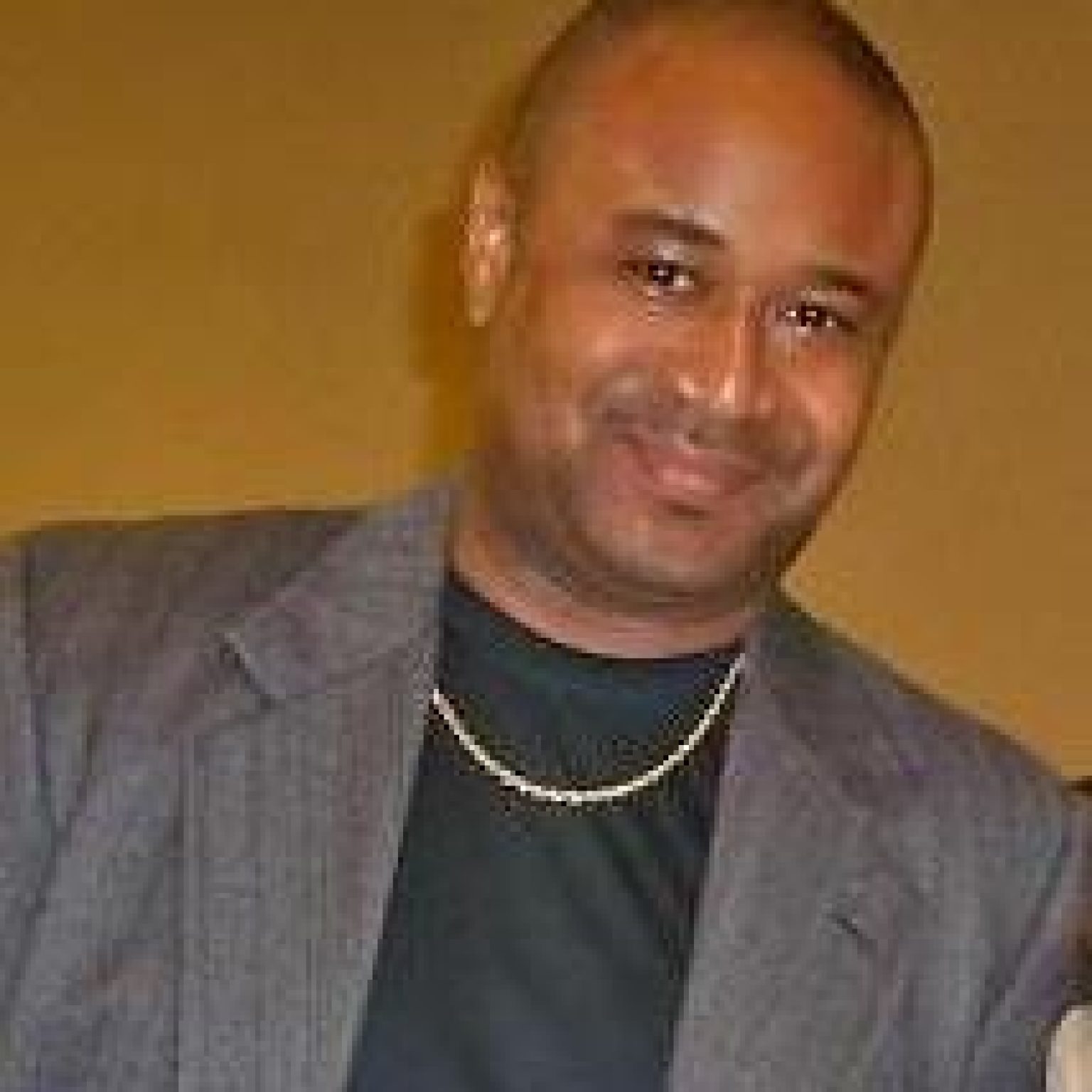
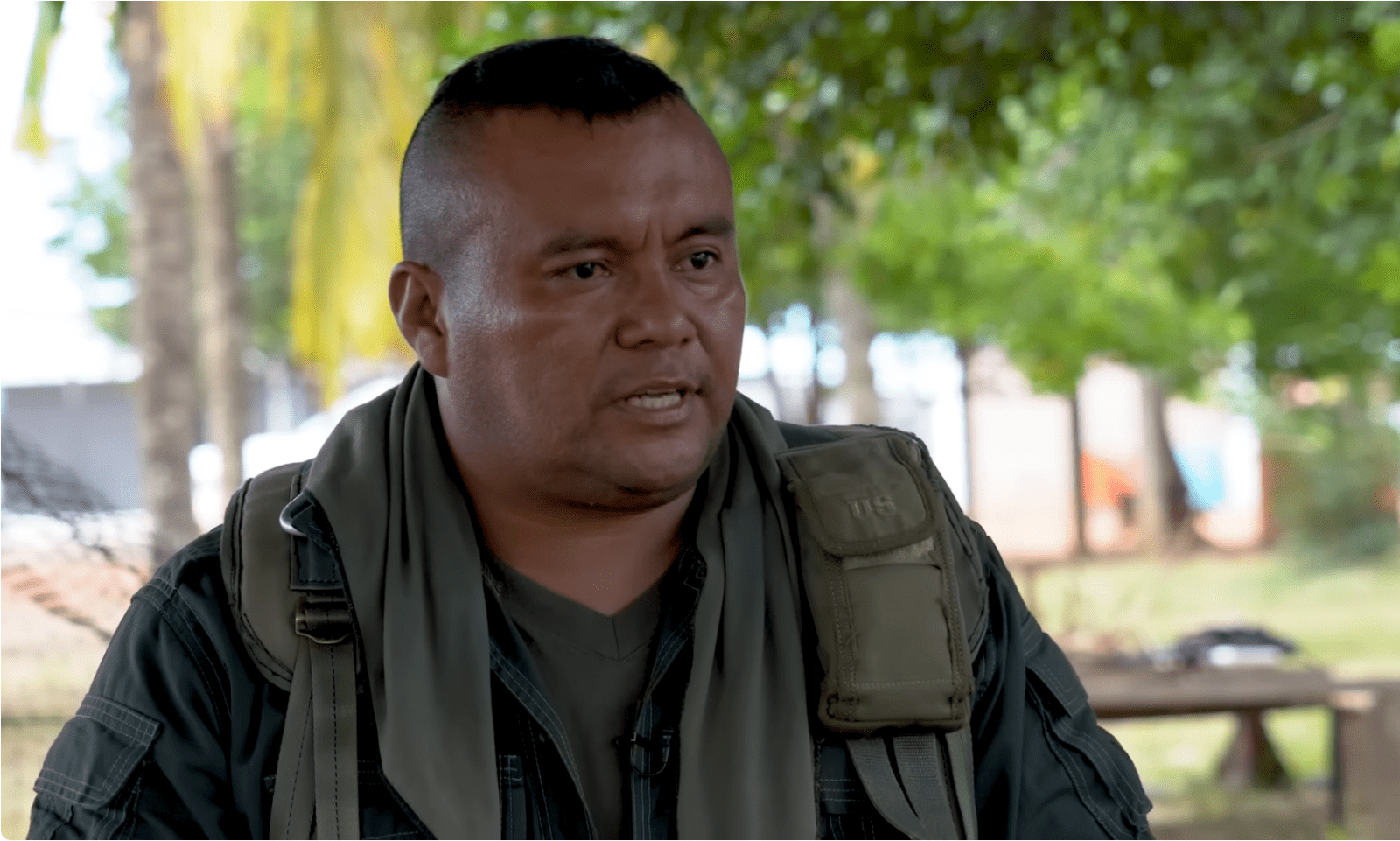
A comprehensive investigation by Noticias Caracol has exposed a trove of digital files, emails, and chat logs seized from the devices of Alexander Díaz Mendoza (above photo), known as Alias “Calarcá,” a commander of the dissident FARC faction Estado Mayor de Bloques y Frentes (EMBF). The revelations, which have emerged over the last two months, point to a disturbing level of infiltration within the Colombian military and intelligence agencies, continued criminal activity during government-sanctioned ceasefires, and potential illicit financing of the 2022 presidential campaign.
The scandal centers on evidence seized during a July 23, 2024 operation in Antioquia. Despite finding ‘Calarcá’ in possession of weapons, cash, and sensitive documents, authorities released him on the spot due to the suspension of arrest warrants granted by the administration of President Gustavo Petro, who had designated the warlord a “peace manager” (gestor de paz).
Institutional Paralysis and “Lost” Evidence
While the physical release of the dissident leader sparked immediate controversy, the digital evidence seized from his entourage—including USB drives and computers—languished in the custody of the Fiscalía General de la Nación (Office of the Attorney General) for over 16 months without significant investigative action. It was only after Noticias Caracol obtained and published the contents of these files in late 2024 that the magnitude of the security breach became public.
In a press conference following the reports, Attorney General Luz Adriana Camargo admitted to “errors” in the handling of the evidence and confirmed the authenticity of the documents, contradicting President Petro’s assertions that the leaks were “fake news” or “AI-generated” montages designed to destabilize his government.
Infiltration of Intelligence and Military High Command
The files detail an alleged collaborative network between the FARC dissidents and high-ranking officials within the Colombian state. Two primary figures are implicated in the correspondence:
-
General (Ret.) Juan Miguel Huertas: The documents suggest Huertas maintained direct contact with the dissident group, providing sensitive coordinates of troop movements to help insurgents evade military operations. The chats also outline a proposal to create a private security company, ostensibly legal, that would allow dissident members to carry weapons and move freely under the guise of state-licensed protection services.
-
Wilmar Mejía: Currently the Director of Strategic Intelligence at the Dirección Nacional de Inteligencia (DNI), Mejía is accused of sharing intelligence with the armed group. The files indicate that Mejía, who also sits on the Superior Council of the Universidad de Antioquia, acted as a conduit for information that compromised national security operations.
Following the public outcry, the Procuraduría General de la Nación (Inspector General’s Office) moved to suspend both Huertas and Mejía from their public functions pending a disciplinary investigation.
Crimes Committed Under the Guise of Peace
The “Calarcá Files” provide evidence that the EMBF utilized the government’s “Total Peace” ceasefire not to de-escalate, but to strengthen its military and financial foothold. The leaked chats, dating from the negotiation period, contain specific orders from ‘Calarcá’ to assassinate adversaries, including a former hitman identified in the logs.
Furthermore, the documents reveal the systematic recruitment of minors, a violation of international humanitarian law. In one exchange, a subordinate reports the recruitment of a 14-year-old girl, to which ‘Calarcá’ responds with approval. The Defensoría del Pueblo (Ombudsman’s Office) has corroborated these findings, noting a spike in forced recruitment and territorial expansion by the group in departments like Caquetá and Meta during the ceasefire.
Alleged Campaign Financing and Political Fallout
Perhaps the most volatile revelation involves discussions regarding the 2022 presidential campaign. In a chat exchange from March 2023, rival dissident leaders Ivan Mordisco and Danilo Alvisú discuss possessing “proof” of financial contributions made by the armed group to the campaign of Gustavo Petro. The conversation explicitly mentions that Vice President Francia Márquez was allegedly aware of this support.
The Presidencia de la República has vehemently denied these accusations. President Petro has utilized his X (formerly Twitter) account to attack the journalistic integrity of Caracol, claiming without evidence that the images of the chats were fabricated. However, the confirmation of the files’ veracity by the Fiscalía has isolated the executive branch’s narrative.
Economic and Security Implications
The scandal has cast a pall over the administration’s flagship “Total Peace” policy, which investors and credit rating agencies watch closely as a barometer for Colombia’s stability. The perceived inability of the state to secure its own intelligence apparatus against co-optation by criminal groups poses a significant risk to the security environment required for foreign direct investment.
The revelation that a “peace manager” used his government-granted immunity to traffic weapons and coordinate attacks has emboldened critics who argue the administration’s leniency has strengthened criminal enterprises. As the investigation proceeds, the focus remains on whether the Fiscalía will pursue criminal charges against the high-level officials implicated and whether the political fallout will derail the administration’s remaining legislative agenda.